Globalization and its Critics
Navigate this Page
What You Need to Know
This traveling seminar allows you to visit and learn first hand about the world's leading economies, companies, institutions, and NGOs.
The seminar visits companies and government organizations in Italy, Switzerland, Germany, Holland, France, and England. The students visit the leading fashion and luxury companies in Europe such as Prada, Gucci and LVMH, the leading industrial companies like DaimlerChrysler and Airbus, the leading media companies like BBC, the Economist, CNN, the leading political institutions like the European Union, United Nations and NATO, the leading NGO’s like Greenpeace, Oxfam and the International Labor Unions.
The focus is on the main economic, business, and political issues arising from globalization in Europe. Should global companies adapt their products, prices, and marketing strategies to local conditions? How do global companies hire, train, and motivate employees for diverse cultural backgrounds? Paul Moran, resident director and professor of international economics at Syracuse University Madrid and faculty director of the seminar, will address these issues.
Students are required to take both of the following courses.
Globalization and its Critics
(BUA/IRP, 400/600, 3 credits, undergraduate or graduate)
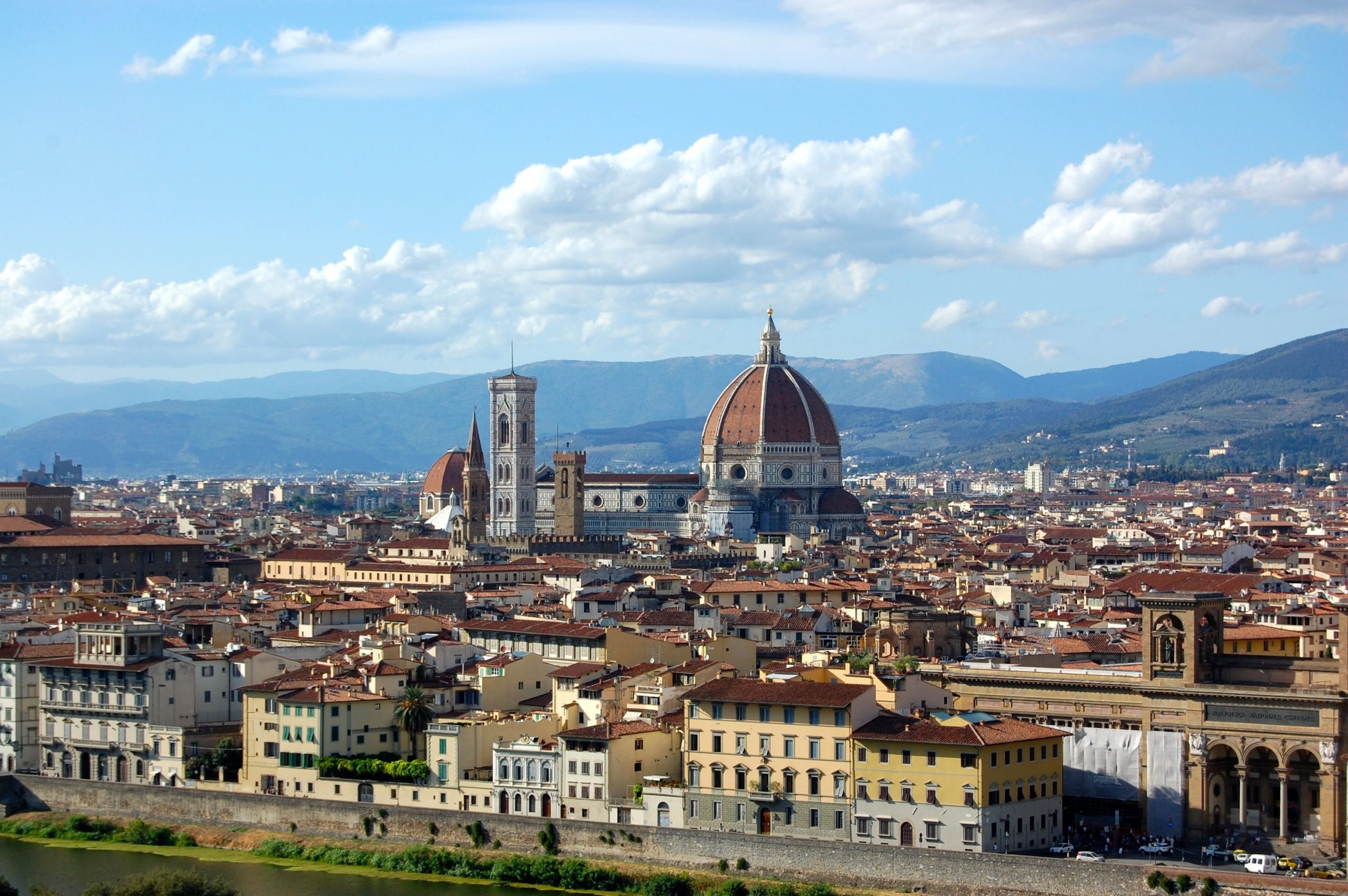
This traveling seminar will start in Italy, and examine the historic development of the Italian city-states and the political philosophy of Machiavelli. City-states were economically strong because they developed competitively, and were the basis for Italy’s highly regarded contemporary fashion and design industries. You’ll visit some of Italy’s leading fashion designers such as Gucci, Prada, Luxottica (Ray Bans), etc.
In Switzerland, we will visit the United Nations, the WTO to see how major international treaties are enacted. Then, we will visit NGOs like Amnesty International and Oxfam International to see how they influence these decisions and agreements.
In Germany, we will organize lectures and presentations on the global manufacturing industry (and visit some of Germany’s leading companies such as DaimlerChyrsler, and Airbus, etc.) and then, visit Frankfurt to see how global banking (Deustche Bank and the European Central Bank) finances international trade and commerce.
In Holland, we will discuss the global branding with Heineken and global warming with Shell and Greenpeace. In Belgium, we learn about the role of the European Union (EU) and NATO in developing stronger government and defense policies. We shall also visit the International Labour Unions to listen to the problems of labour rights, child labour, etc and analyze the solutions to these global problems.
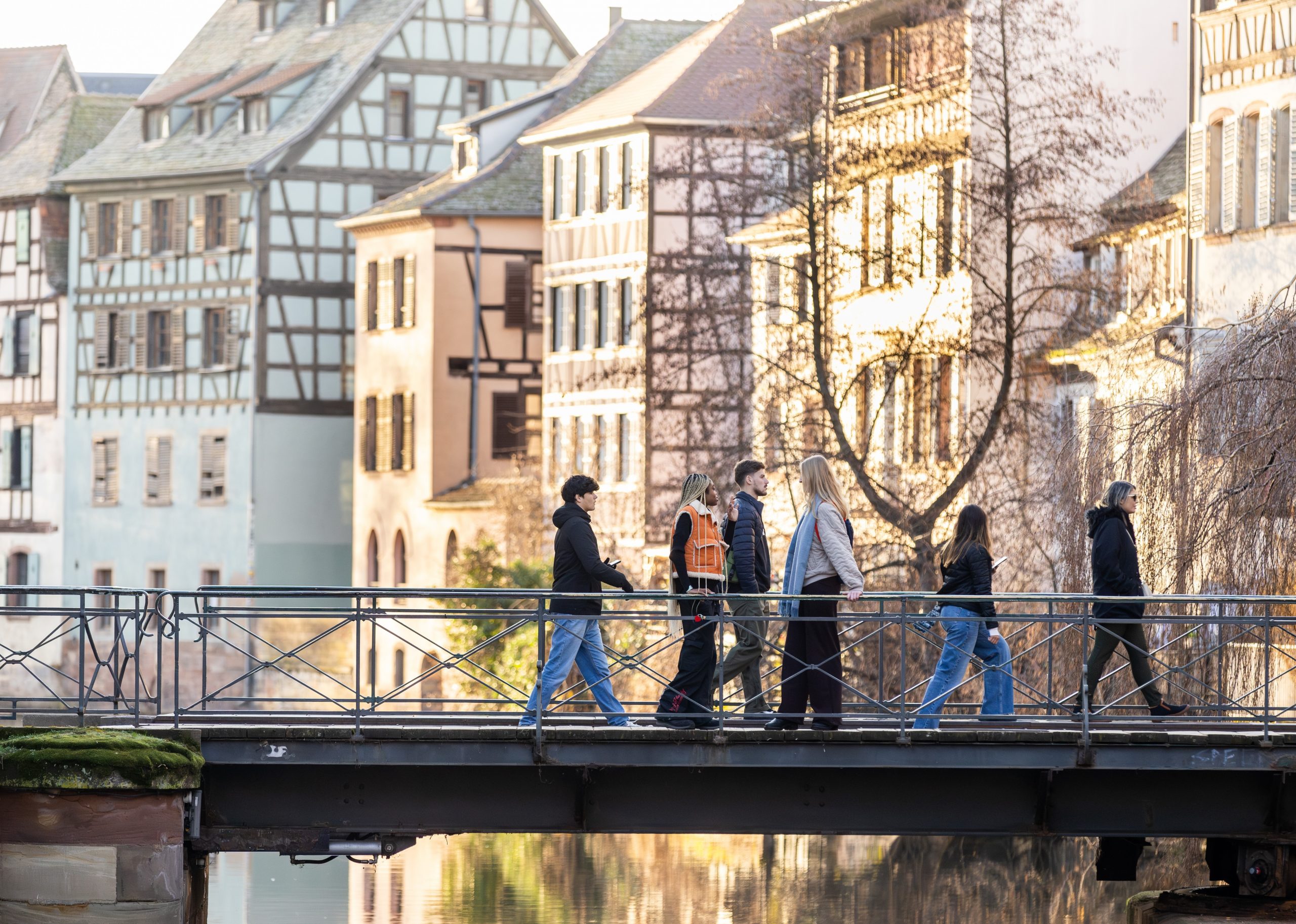
In France, we will visit a leading "think tank" to discover why the French consider themselves exceptional and different in terms of politics, culture and business. We shall also go to some of the leading French multinationals (like Carrefour, Accor and LVMH) and analyze why they have been able to create a perfect blend of art and commerce in retailing, hotels and luxury goods.
The seminar concludes in London, where we will focus on the global finance industry (with visits to Lloyds of London) and global media firms (like CNN, the BBC, etc).
Independent Study
(BUA/IRP, 490/690, 3 credits, undergraduate or graduate)
Students will have to write a long academic paper of the effects of globalization on governments, business and consumers depending upon the area of academic interest and the title of their degree. The academic study requires extensive field and academic research. Students will be expected to do the research independently and to write a research paper after the program ends.
Paul A. Moran has his M.A. in Economics and Business Studies from Trinity College, Dublin and is studying for his Ph.D. at the Ortega y Gasset Foundation, Universidad de Computense, Madrid, Spain. He is resident director and professor of international marketing and international economics at Syracuse University Madrid where he also coordinates and conducts an economics and business traveling seminar throughout the European Union, called Eurovision. Prior to working for Syracuse University, he worked as an economics and business consultant in Dublin, London, Paris, Brussels and Madrid. Students are encouraged to contact Professor Moran at su.pmoran@business.sumadrid.es>.
This program is intended for upper division undergraduate and graduate students. Students will be required to have studied an undergraduate course in one or more of the following disciplines: business, economics or international relations. Students will be required to analyze and present case studies and papers during the travelling seminar.
Participants arrange and pay for their own transatlantic flights. The program begins in Florence and ends in London. Ground transportation in Europe is arranged by SU Abroad and covered by the program fee.
Advantage Travel specializes in student fares and can assist with flight arrangements for your summer program. For more information, please contact Sally Curtis at scurtis@advantagecny.com or 1-800-788-1980.
IMPORTANT NOTE: Do not purchase your airline ticket before receiving written notification from us that you can book your flight. You will have to present this notification if we cancel the program at a later date, and you want to be reimbursed for the cost of the ticket.
Students are housed in shared rooms in hotels rented by Syracuse University for the duration of the program. Meals are not included, except for breakfast and some group meals.
| Housing begins: | May 28, 2009 |
| Program begins: | May 28, 2009 |
| Program ends: | June 20, 2009 |
| Housing ends: | June 20, 2009 |
| Application deadline: | March 1* |
* Applications received after March 1 will be considered if there is still space in the program.
| UNDERGRADUATE (6 credits) | |
|---|---|
| Tuition | $5,424 (estimated) |
| Program Fee | TBA |
| Total | TBA |
| GRADUATE (6 credits) | |
| Tuition | $6,774 (estimated) |
| Program Fee | TBA |
| Total | TBA |