
By Chloe Kiser
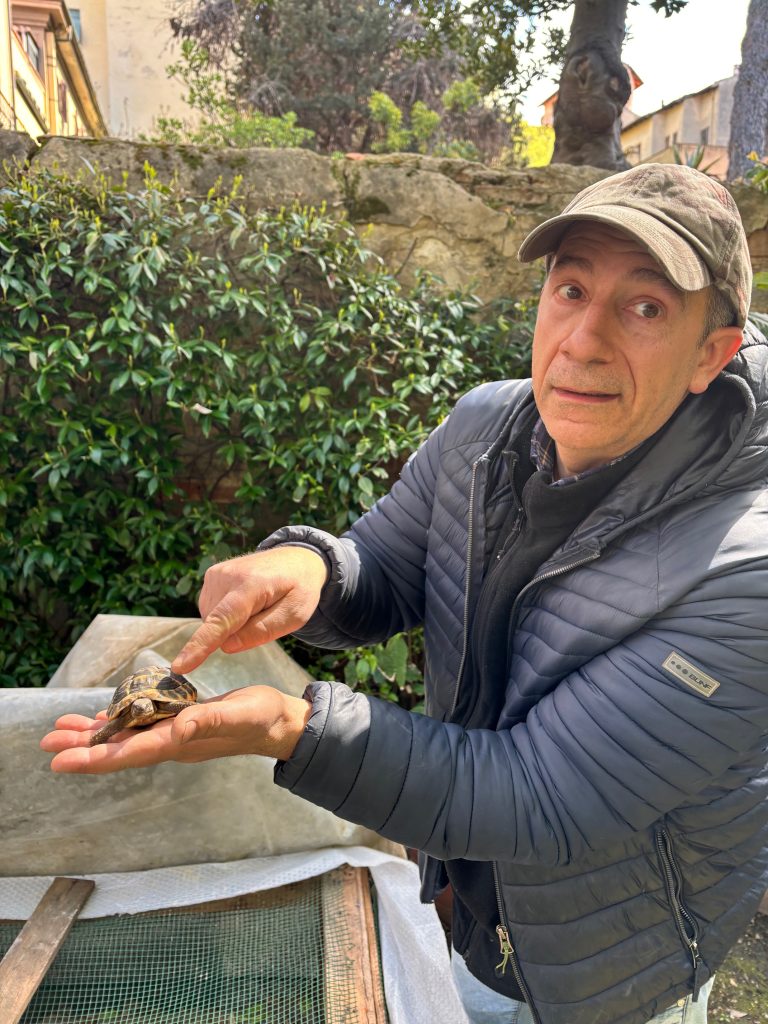
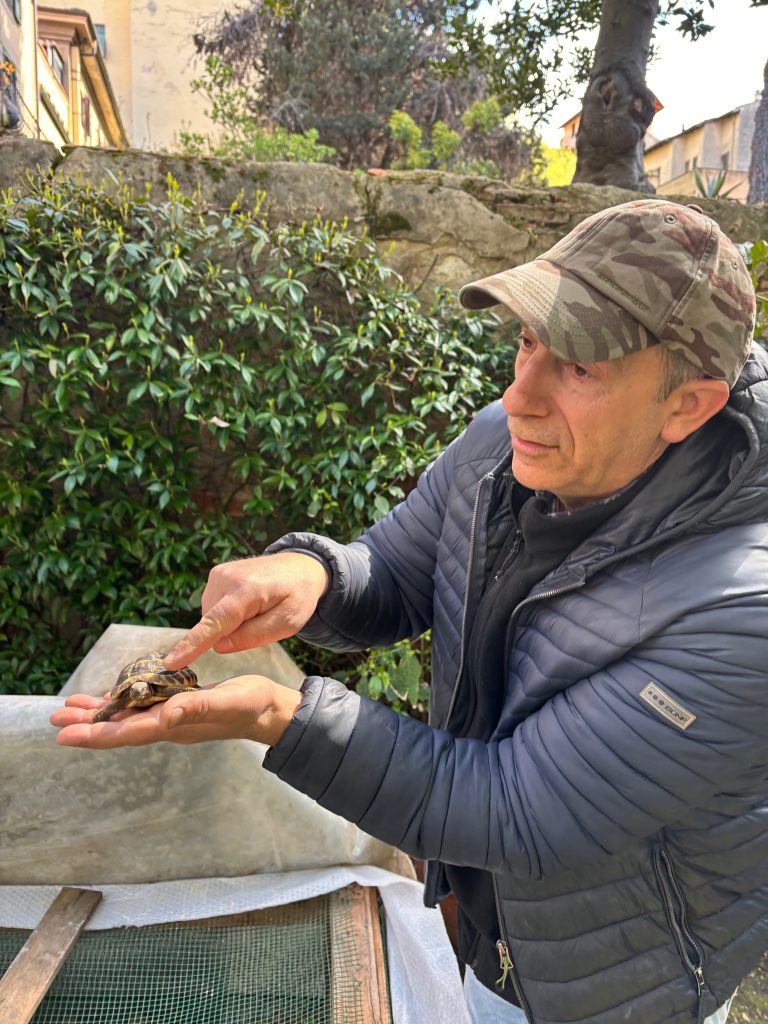
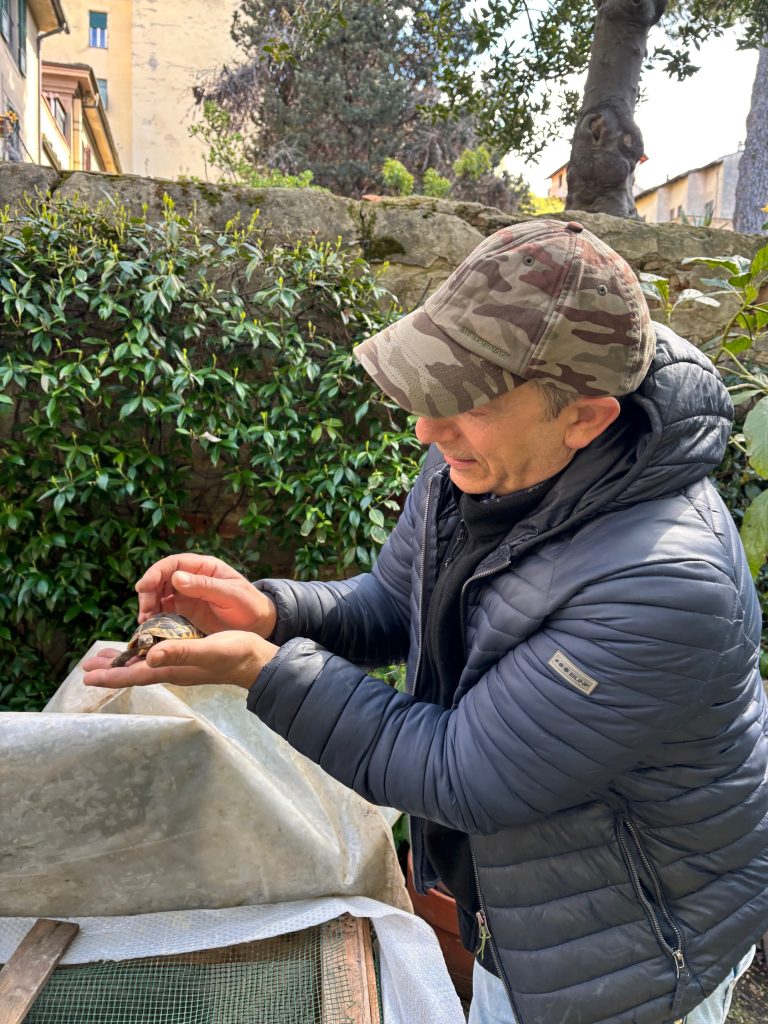
Hidden in the shade of Syracuse University’s Florence campus are some long-time residents that have the community abuzz as they reemerge from their winter hibernation.
At the center of it all is longtime groundskeeper Gelso Sassonia, who has spent more than two decades shaping the campus landscape. After completing his military service in Italy, he began working in the Syracuse Florence gardens nearly 23 years ago. “A lot has changed,” he noted, referring to renovations, construction projects, and even the addition of a fountain. Parts of the property have expanded, old walls have been partially preserved for historical reasons, and the gardens have evolved alongside the school.
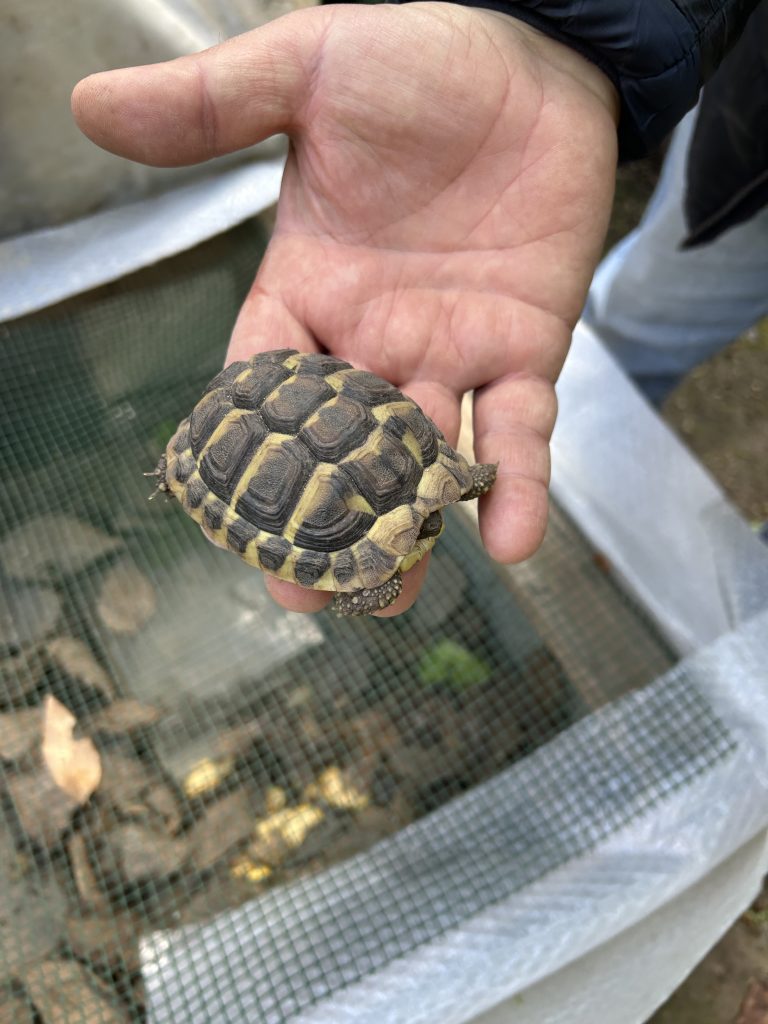
Through it all, one thing has remained constant: the turtles. “They were already here when I arrived,” Sassonia explained, referring to the larger, older turtles that have inhabited the gardens for decades. He believes some may be at least 30 years old, and possibly much older.
The turtles’ diet is simple, but fresh. They eat leafy greens, tomatoes, and apples, often sourced directly from the campus garden itself. It is a true garden-to-table routine that reflects the natural, low-maintenance lifestyle the turtles seem to enjoy. They sleep; they eat—it’s a good life.
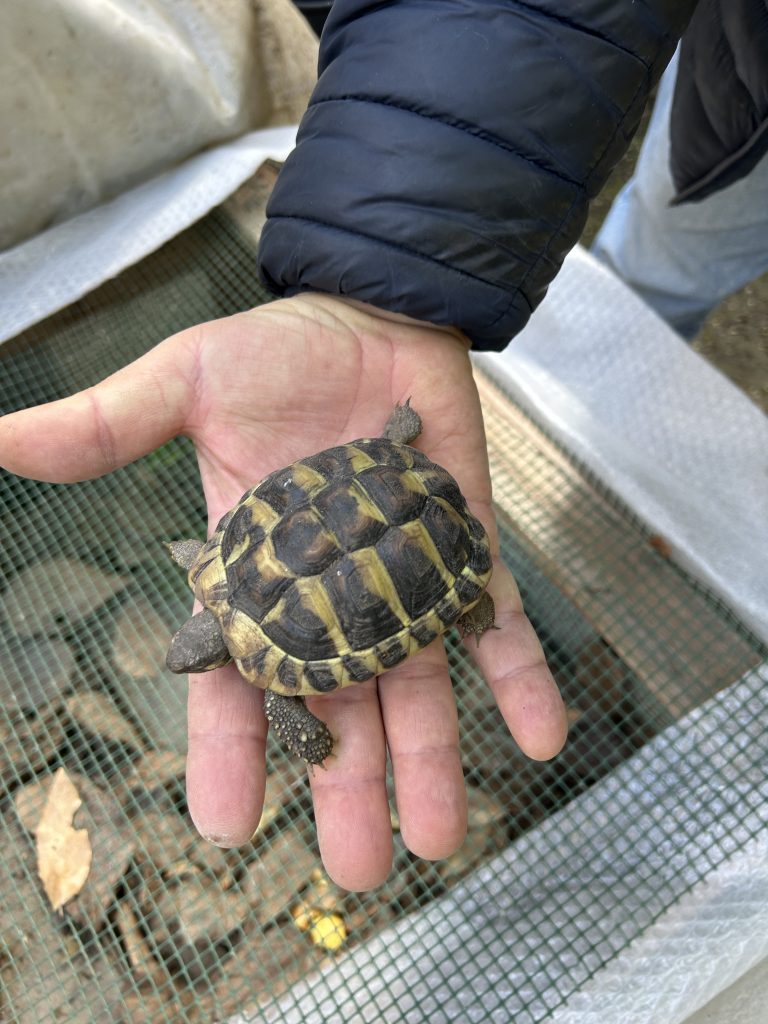
More recently, something new has been unfolding. A surge of younger turtles has appeared.
After years without population growth, new hatchlings have emerged within the last two years. This change is largely due to a successful pairing between a newer male and a resident female turtle. The result is a growing group of small turtles now being carefully raised in a protected enclosure.
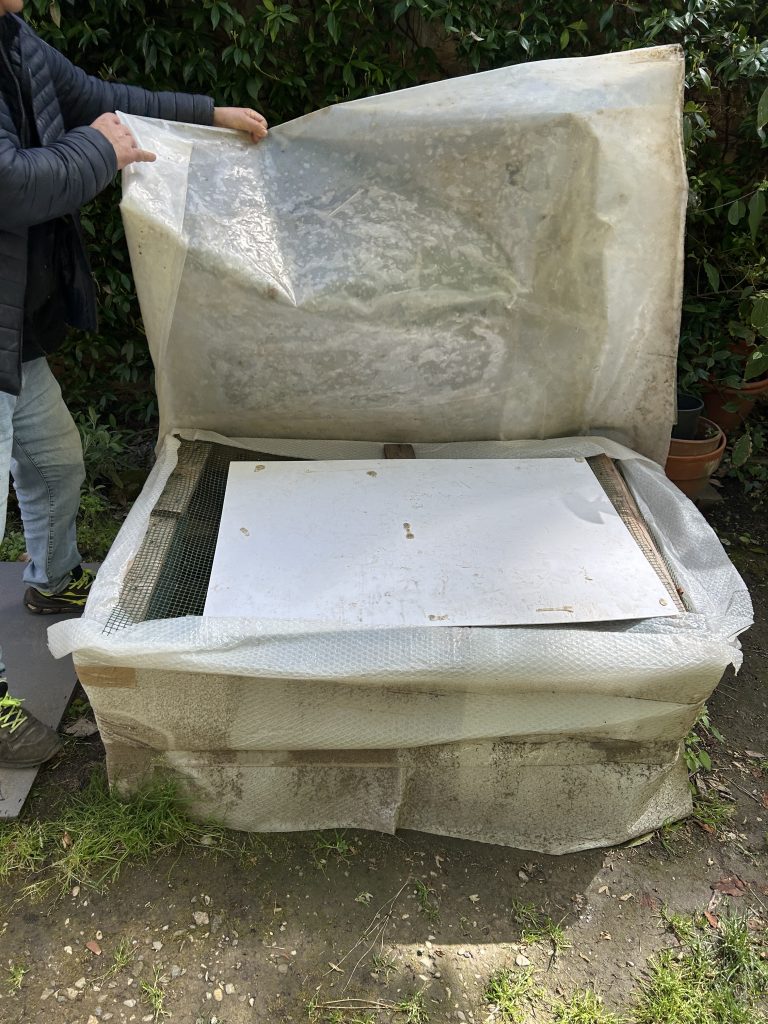
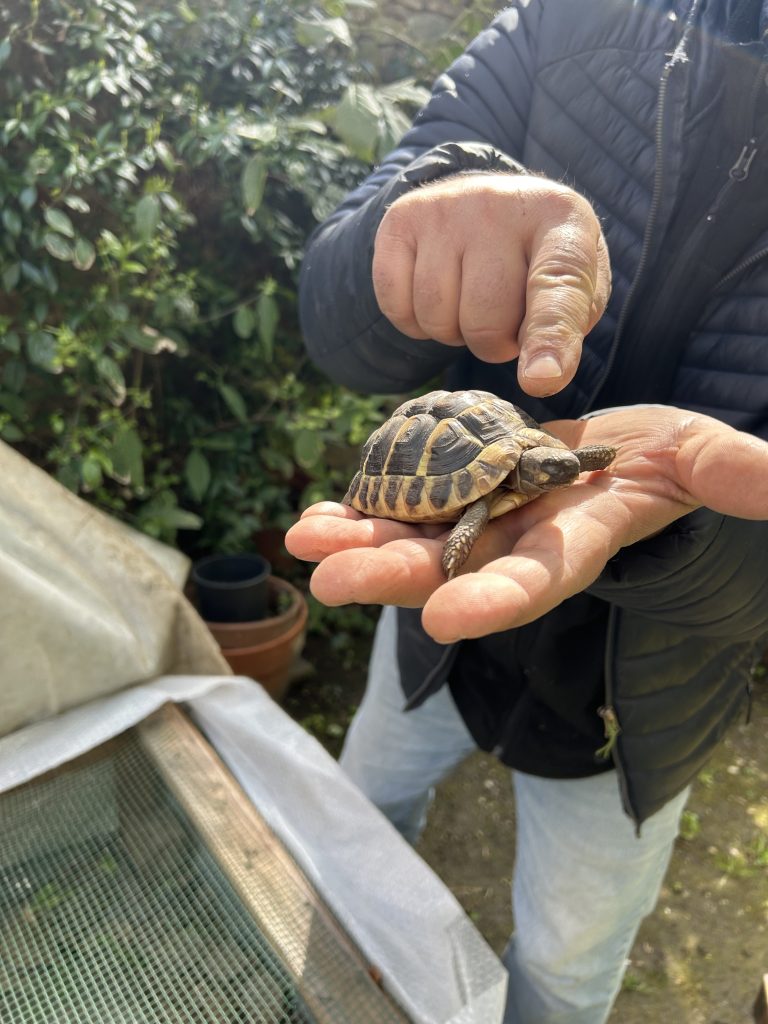
While they do not have official names, they clearly recognize a familiar presence. When Sassonia approaches them with food, they slowly make their way toward him. “He’s like their dad,” one student remarked. Their enclosure, located in the garden of the Annex, is a product of resourcefulness. Built entirely from recycled wooden pallets, it provides a safe space for the young turtles during their most vulnerable stage. Early on, their shells are still soft, which makes them easy targets for predators like crows. As they grow and their shells harden, they can safely explore beyond the enclosure.
The turtles’ seasonal rhythms add another layer to their story. During colder months, they
hibernate beneath leaves and bushes around campus and remain nearly invisible until warmer weather returns. “They’re just starting to wake up, slowly but surely,” said Sassonia. Despite decades of experience, his expertise came not from formal training but curiosity. “He Googled it,” my interpreter explained, referring to online research that gradually turned into a genuine passion. Over time, that curiosity evolved into deep care and commitment to the turtles’ well-being.
Today, the project stands as more than just a habitat. It reflects dedication, sustainability, and
the unexpected connections that can form on campus. In a fast-paced academic environment,
this small garden offers something different. It is a reminder that growth does not have to be
rushed. Sometimes, it happens slowly, steadily, and right beneath our feet.