
Inspired by a Syracuse Florence course, graduating senior James Kuhns is building a platform to connect American tourists with the city’s hidden artisans.
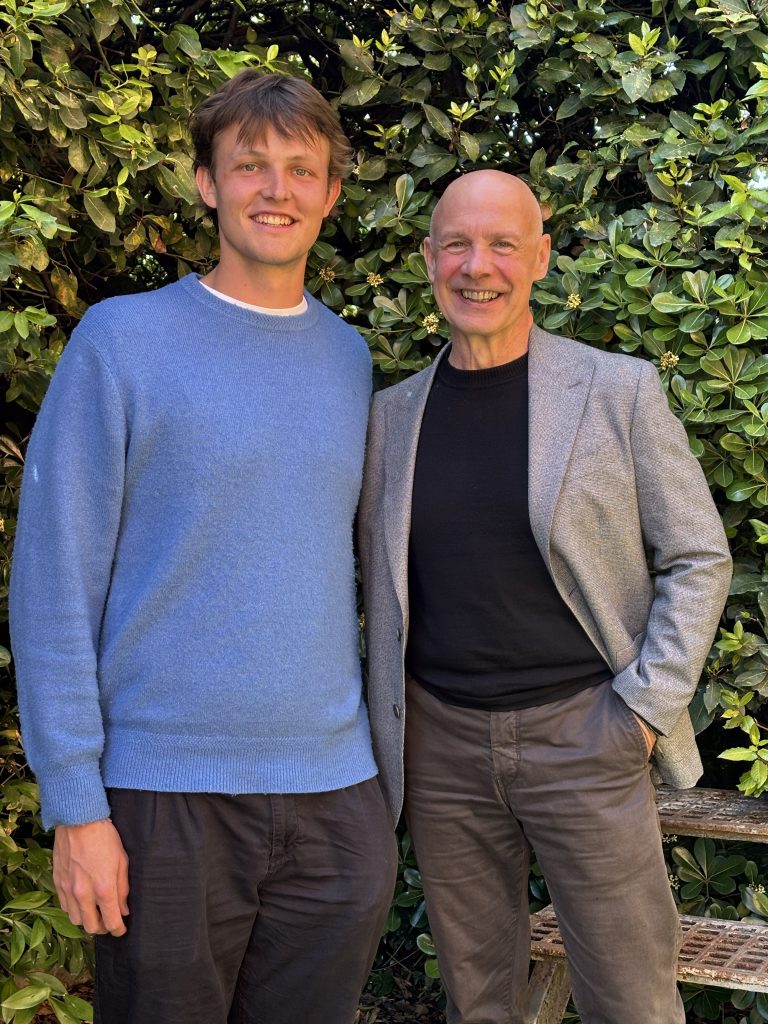
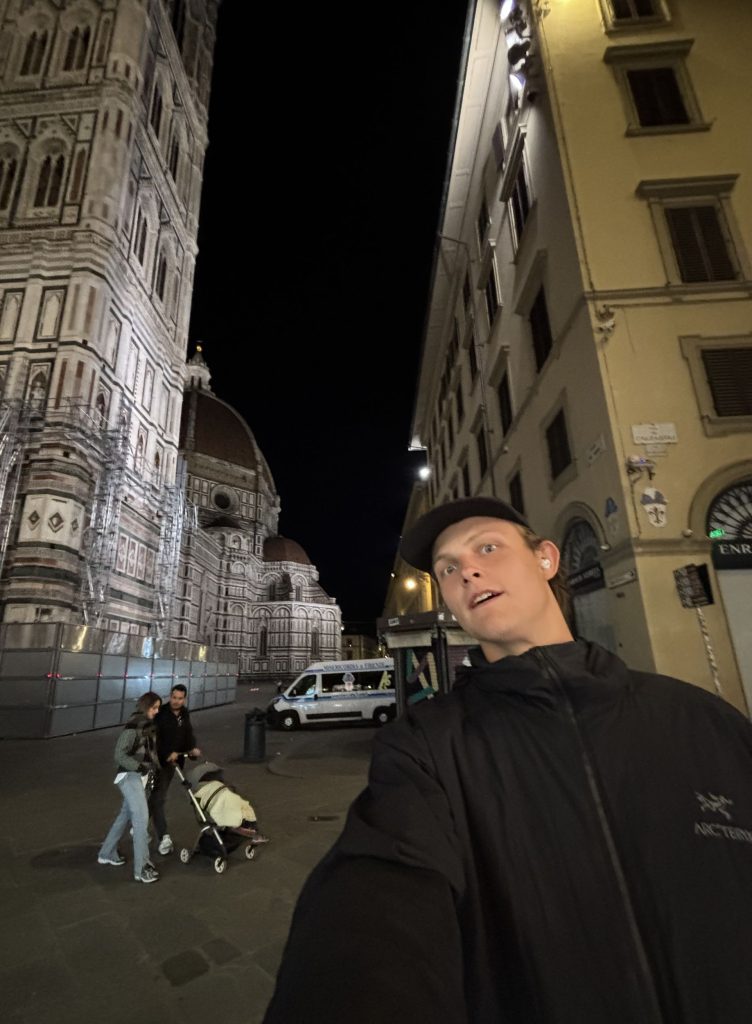
James Kuhns came to Florence two years ago as a study abroad student and after returning to the U.S. he couldn’t stop thinking about a leather jacket—one he’d watched craftspeople build from scratch at the Scuola del Cuoio. “I’ve been thinking about that leather jacket for two years,” he said. “I need to go back.”
Now a business graduate of Colorado College in Colorado Springs, Kuhns returned to Florence in April for ten days, funded by two university grants, to interview Florentine artisans for his senior thesis. His goal was to design a digital platform that helps American tourists find and connect with the city’s authentic craftspeople.
The project traces back to Syracuse Florence where Kuhns took “Made in Italy: Business, Craftsmanship, and Branding Success” with Professor Simone Anselmi—a course that took students to La Marzocco espresso machine factory, jewelers in the city center, and the leather school he still thinks about. “All of these experiences really allowed me to see into the beating heart of Florence,” he said. “That being those artisans.” Anselmi has stayed closely involved, helping Kuhns build connections and shape his ideas over the past five months. “You need to have an idea that art and business can be connected,” Anselmi said. “Otherwise, you can’t appreciate this town.”
A Slow Dying Breath
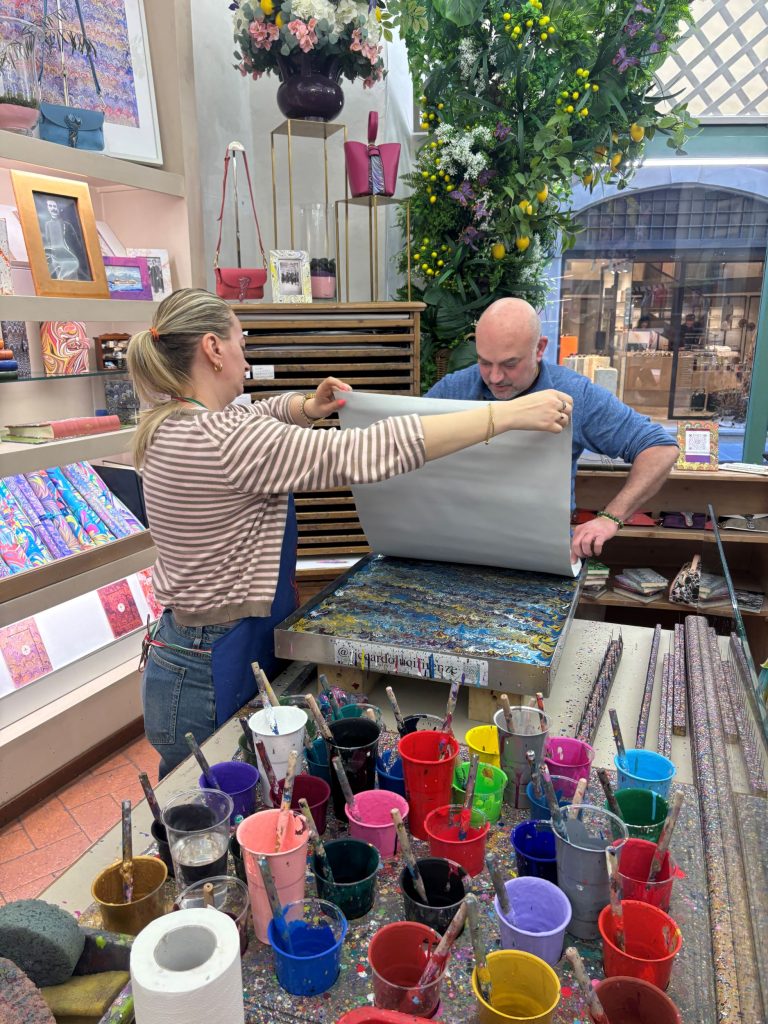
The thesis opens with history—from the guild era and the Renaissance through the fashion shows of the 1950s—before arriving at an urgent present. Rising rents have pushed artisans from Florence’s historic center to peripheral neighborhoods tourists rarely visit. Only 3.3% of Italy’s 260,000 artisans are under 35, leaving an aging demographic with few people to inherit their craft. “It’s not an overnight thing,” Kuhns said. “It’s like the slow dying breath.”
Tourism, paradoxically, is part of the problem. Anselmi put it bluntly: visitors arrive on short itineraries, stick to the Duomo-to-Ponte Vecchio circuit, and often leave having bought fake “Made in Italy” goods without ever encountering a real workshop. “Tourism is going up and the artisans are not taking any benefit,” he said. Kuhns calls this the “Disneyfication” of Florence—marketing that funnels tourists toward a handful of landmarks and away from the living city. “It’s not necessarily the tourist’s fault,” he said. “That’s all the marketing they’ve seen.”
The Platform
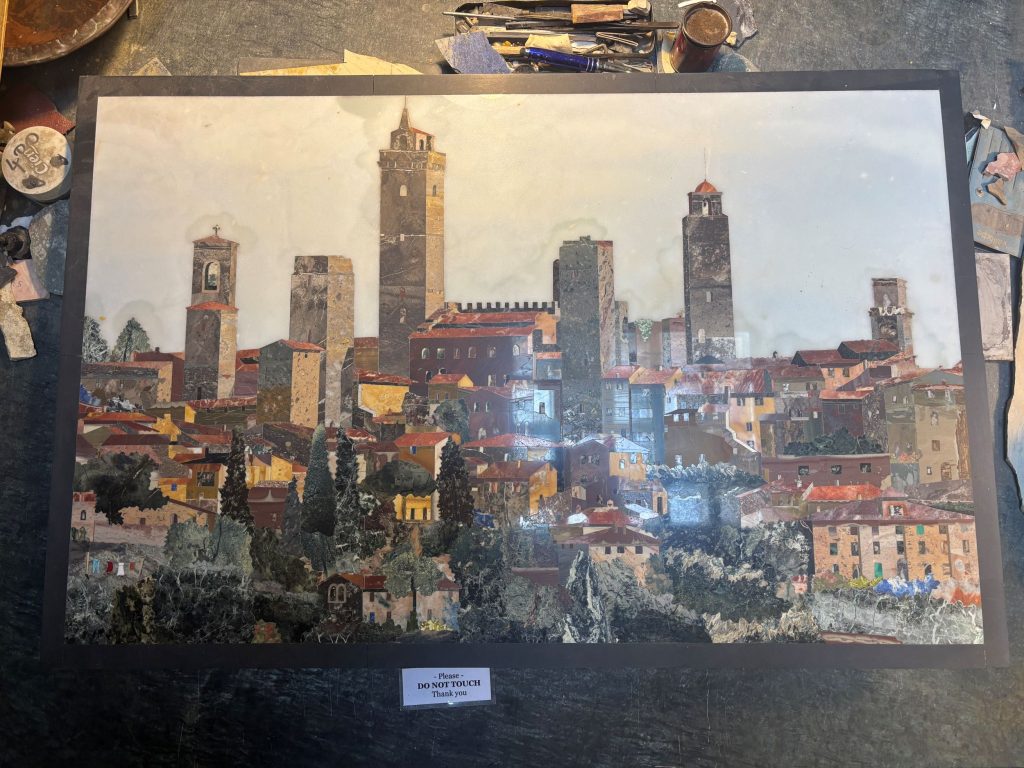
Kuhns’s answer is a platform—part TripAdvisor, part cultural guide—that would map verified, authentic artisan workshops so visitors can cut through the souvenir noise. His target is neither the day-tripper nor the ultra-wealthy collector, but the middle: curious American travelers willing to venture a few blocks off the tourist circuit. “Those are the artisans that are suffering the most,” Anselmi said. “Authentic, fantastic—but struggling.”
The project has already survived one pivot: an earlier idea to sell artisan goods overseas collapsed when new tariffs made it unworkable. “Not everything works out the first time,” Kuhns said. The pivot sharpened the focus—instead of bringing Florence to Americans at home, help Americans find Florence when they’re already here.
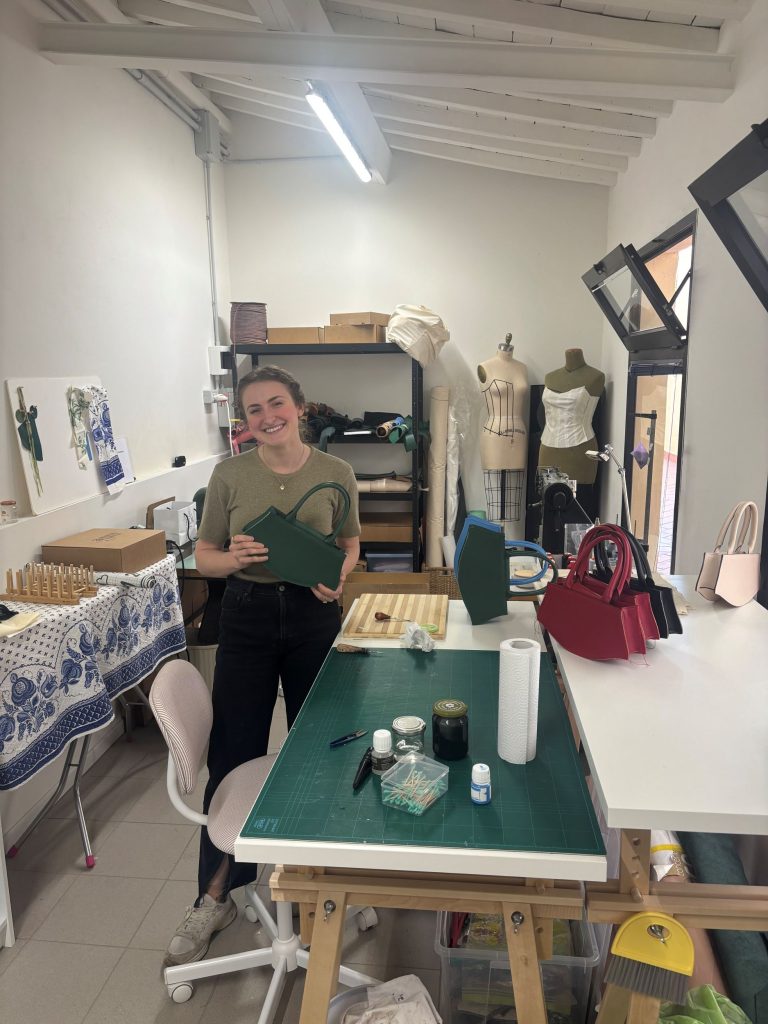
When James spoke with us, he was on day two of ten, already deep in fieldwork—interviewing a bag maker, cold walk-ins to workshops, connections built through Anselmi and former colleagues. “I could read all the literature,” he said, “but I don’t know until I talk to them.” The early conversations had confirmed his hunch: younger artisans are passionate but lack the marketing infrastructure to reach new customers. He hopes the app can fill that void.
“There’s a true piece of heritage and Italian culture that is slowly dying,” he said. “How do we breathe some life into that?” He had eight days of interviews still to go. And, presumably, a leather jacket to finally buy.