Syracuse Florence Professor Kyle Griffith, who will be teaching Production and Operations Management in the fall, has recently launched an innovative AI-powered application called Formatr. The platform is designed to help students streamline the formatting of academic papers while also supporting researchers and academics in preparing their work for publication.
Professor Griffith says he began developing the concept over a decade ago, drawing on years of teaching, researching, and advising students across the U.S., U.K., and Europe. Through conversations with students and fellow academics, he identified a consistent set of frustrations and recognized the need for a smarter solution.
The response from users has been impressive. Formatr has reached a growth rate of 2,000 downloads per month, a testament to how widely felt those academic frustrations are. For Professor Griffith, the mission is straightforward: to give every scholar — student or researcher — the tools they need to focus on what matters most, their ideas.
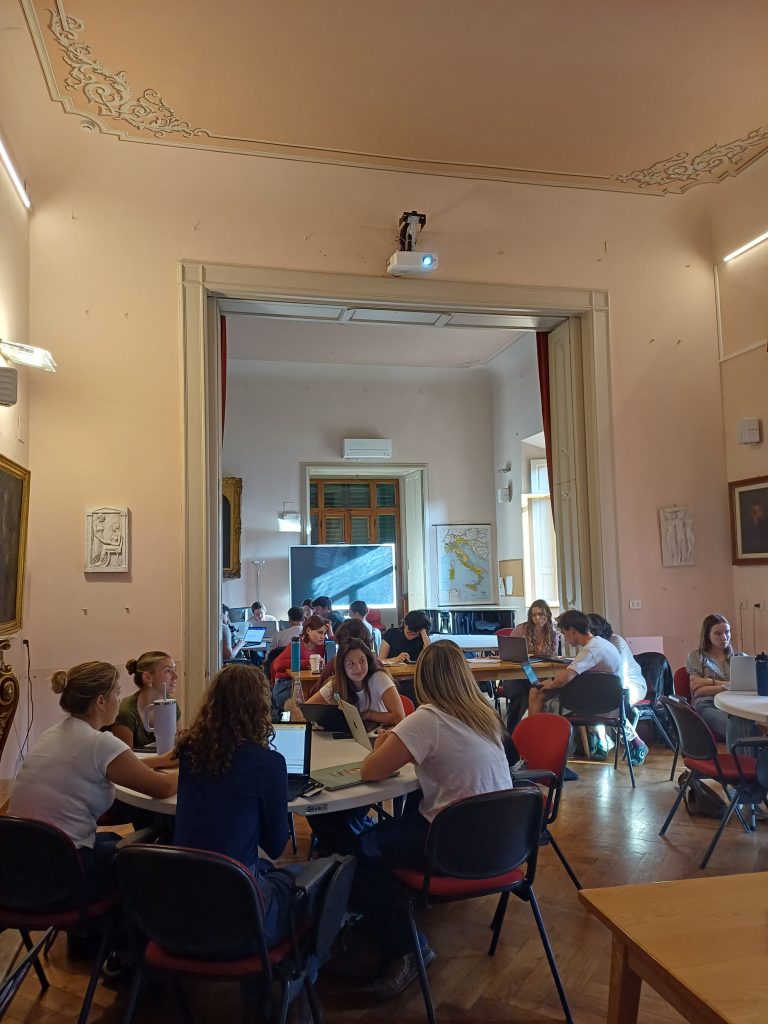
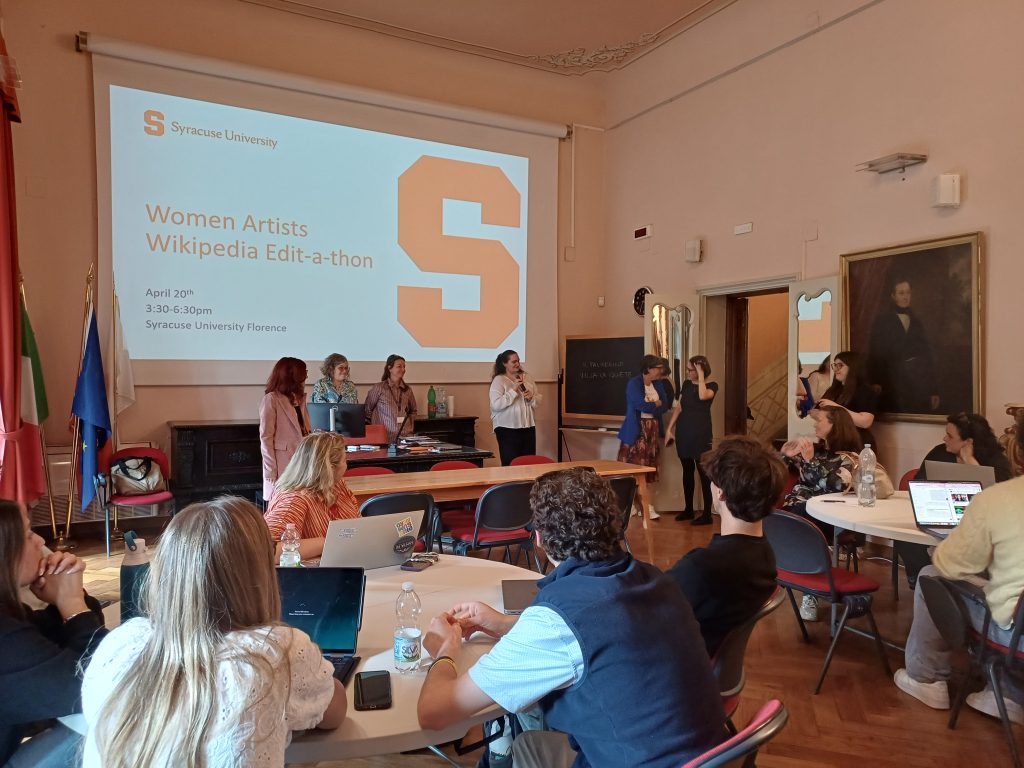
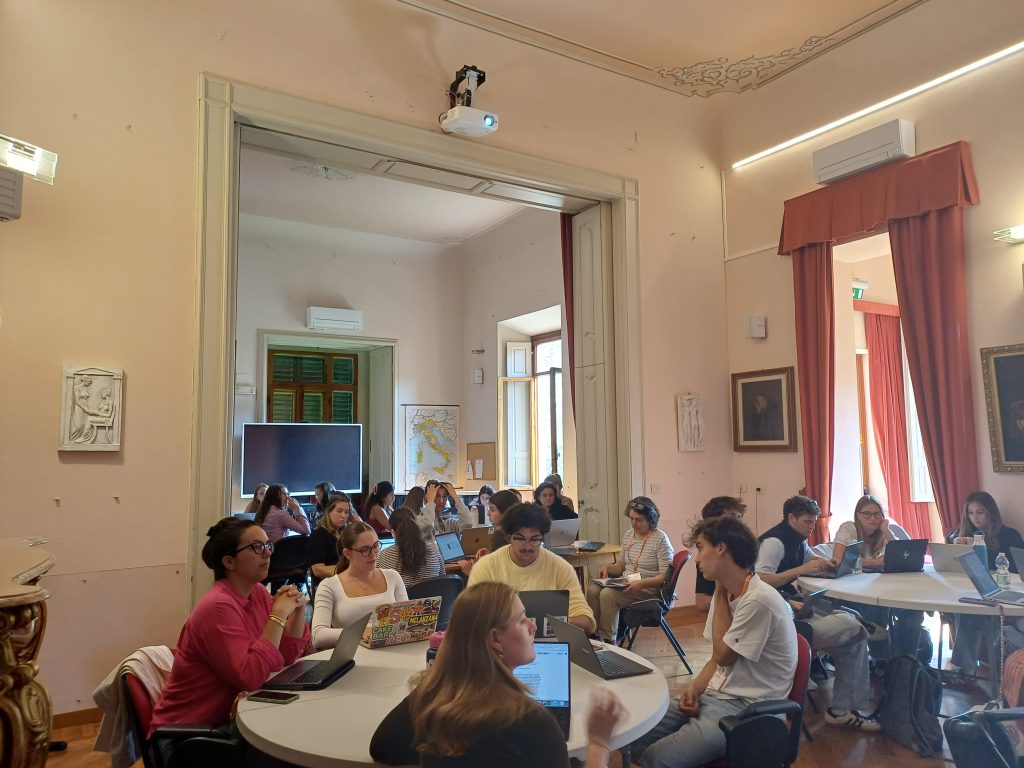
On Monday, April 20, Syracuse Florence partnered once again with writer and cultural curator Linda Falcone of Calliope Arts for a Women Artists Wikipedia Editing Marathon — an event that has become one of the most energizing traditions on our academic calendar.
The first edition took place in 2014 and the second was held last year. This third edition proved so successful and so genuinely moving for everyone involved that we have decided to make it a permanent fixture: from now on, we will host the marathon once a semester.
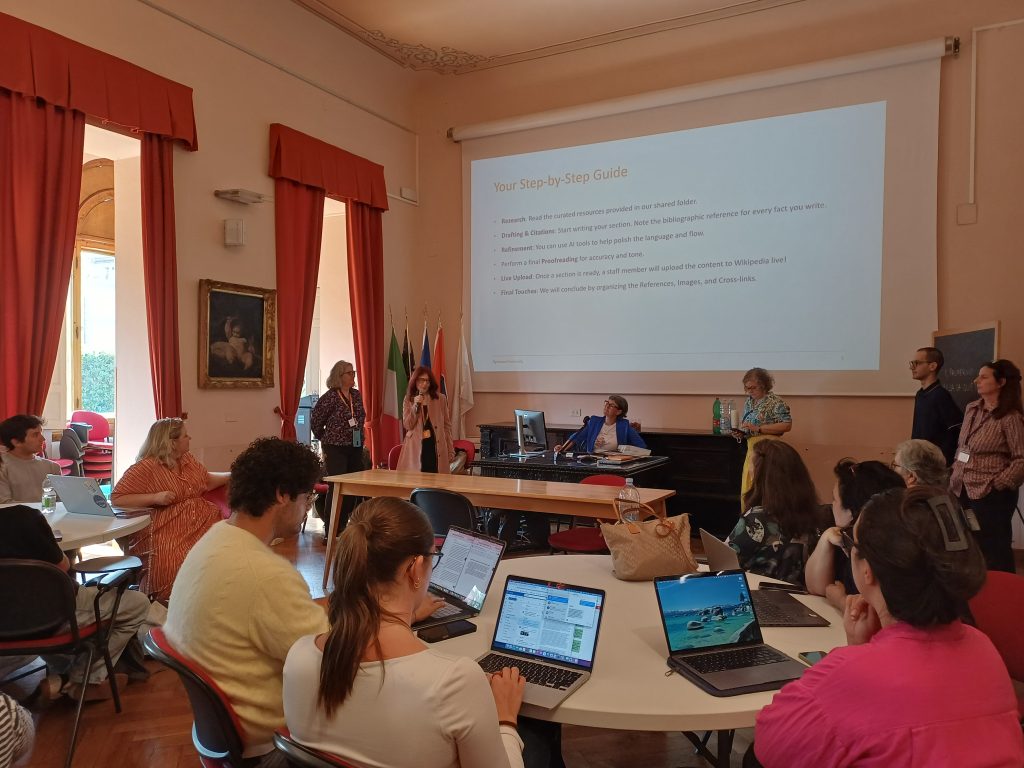
This year’s edition brought together over 40 participants — including five art history graduate students, undergraduates, staff, faculty, and members of the public — in a shared effort to give long-overdue visibility to forgotten women artists. Among our special guests were two members of Wiki Donne, who traveled from Rome to Florence especially for the occasion. We were also deeply honored by the presence of the granddaughter of Lola Costa, one of the artists whose Wikipedia page we worked on that day.
Taking inspiration from Wiki Donne, we titled the event “Before the Selfie” — a reminder of how much harder it was for women artists to publicize their work before the age of social media. An artist like Elena Salvini Pierallini — Florentine embroiderer, photographer, and book artist, also known as ESP — could enjoy a full career with international exhibitions and leave almost no trace of herself online.
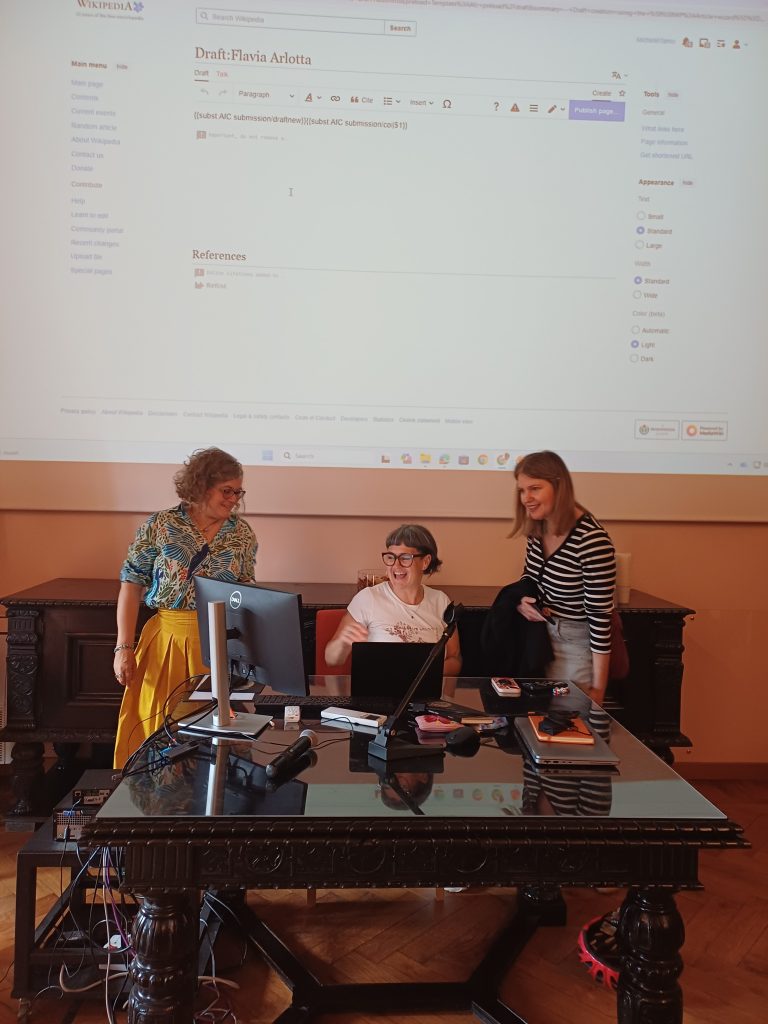
In the morning, our five graduate students rose to that challenge by creating a brand-new Wikipedia page for Pierallini, currently under review with Wikipedia editors. The timing proved serendipitous: Linda Falcone was able to share with the group that an exhibition of Pierallini’s work is being planned for this coming summer, making our students’ contribution all the more timely and meaningful.
The afternoon saw two parallel working groups tackle two more overlooked figures. The first created a new page for Flavia Arlotta, a painter of equal talent to her better-known painter husband, but far less recognized by history. The second group expanded the existing entry for Lola Costa, whose Villa Il Palmerino — nestled in the hills above Florence — continues to be a living hub for artists to this day.
The atmosphere throughout was electric. There is something uniquely powerful about pressing “publish” and knowing that, from that moment on, a woman who had been all but invisible to the internet simply… isn’t anymore.
We are proud to be doing our part to close a significant gap: women represent only 17% of biographies on Italian Wikipedia, and 20% on English Wikipedia. With our students, our faculty, and the engaged members of the public who join us for these events, we are committed to making those numbers grow — one page at a time.
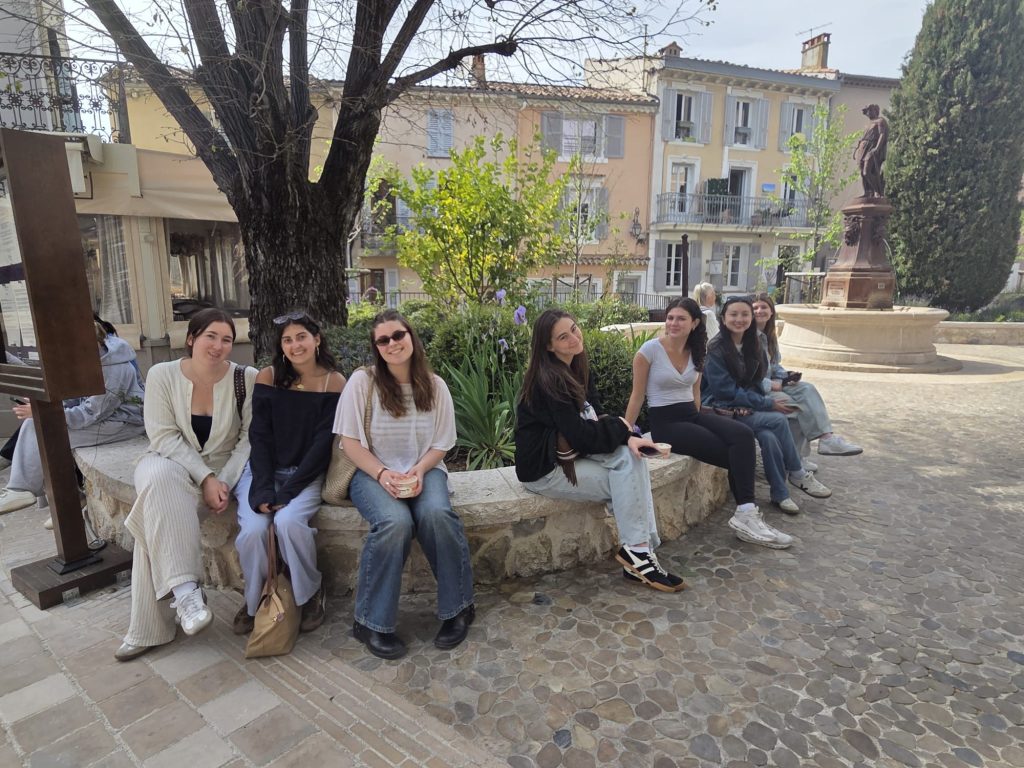
On Friday, April 10th, Syracuse Florence students traveled to the south of France for a weekend filled with culture, history, and relaxation. After spending the morning on the bus, students stretched their legs in the quaint village of Mougins, France. Best known as the town where Pablo Picasso spent the last 12 years of his life, Mougins was a haven for 20th-century intellectuals and artists like Jean Cocteau, Coco Chanel, Paul Eluard, and Christian Dior.
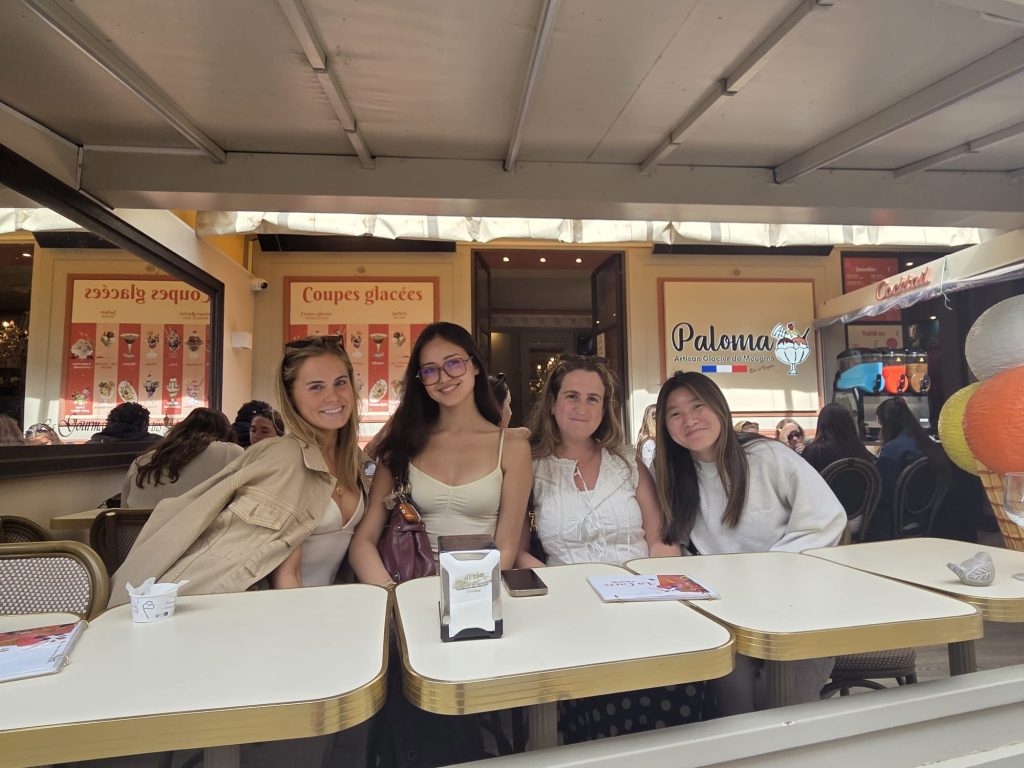
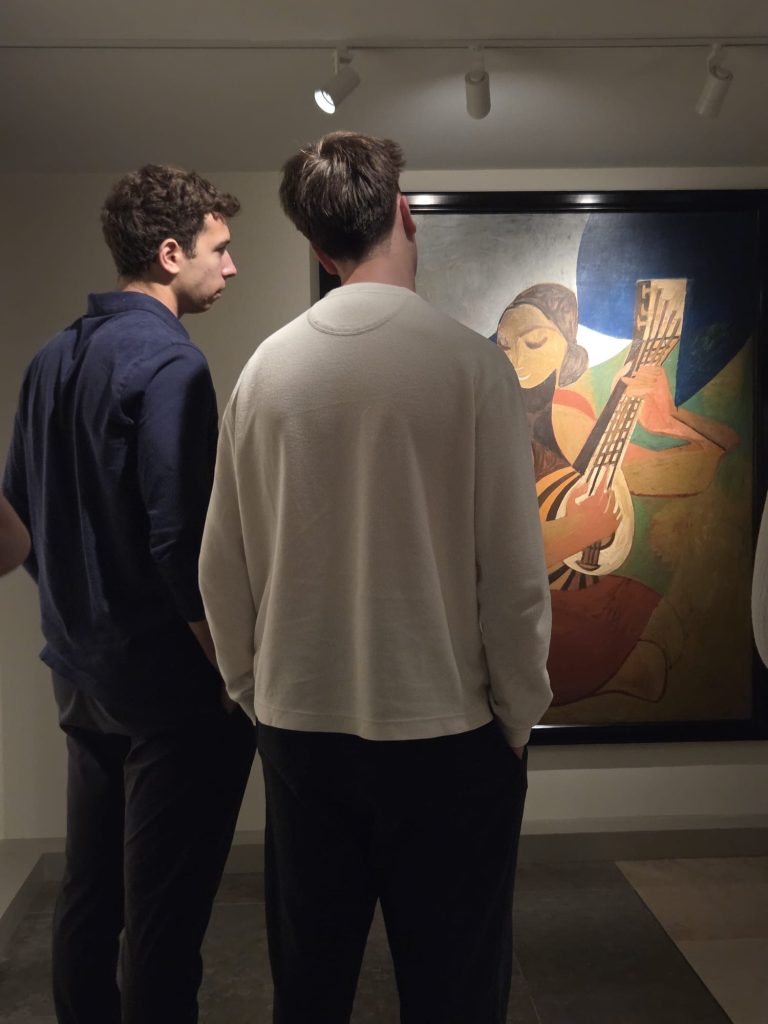
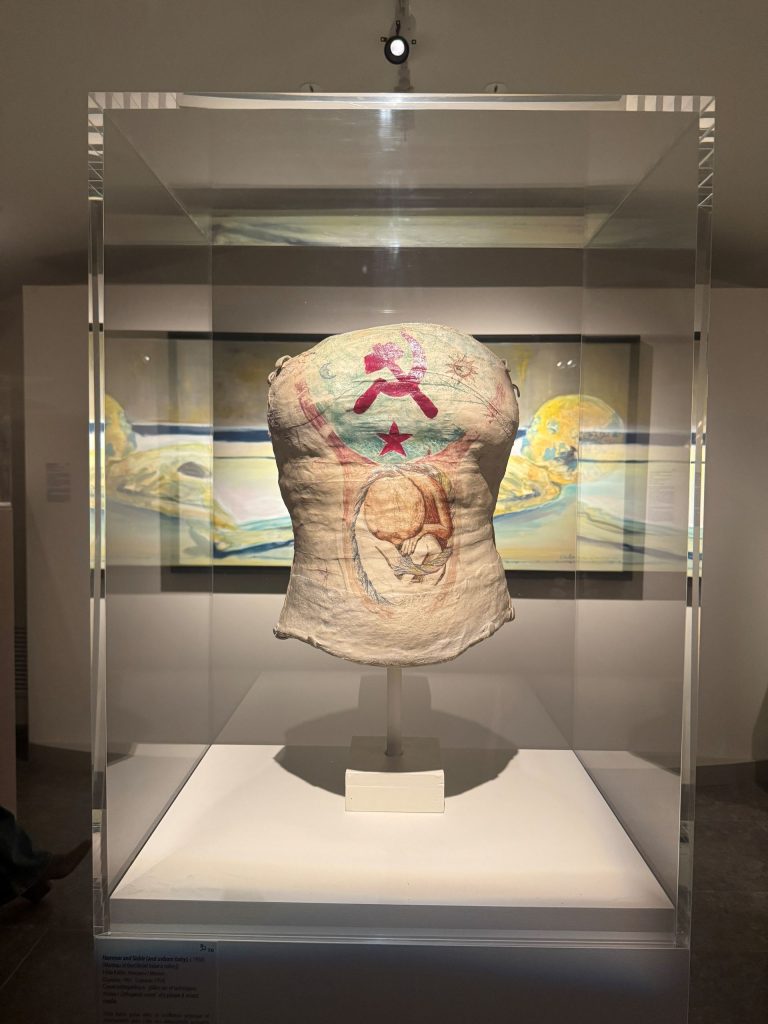
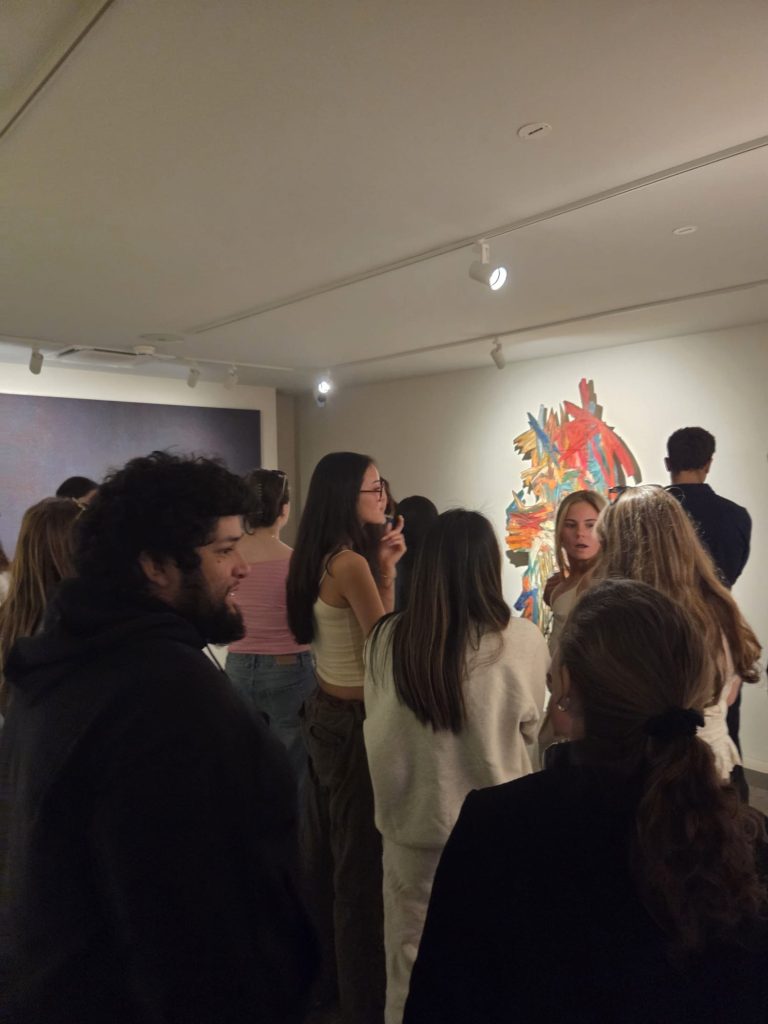
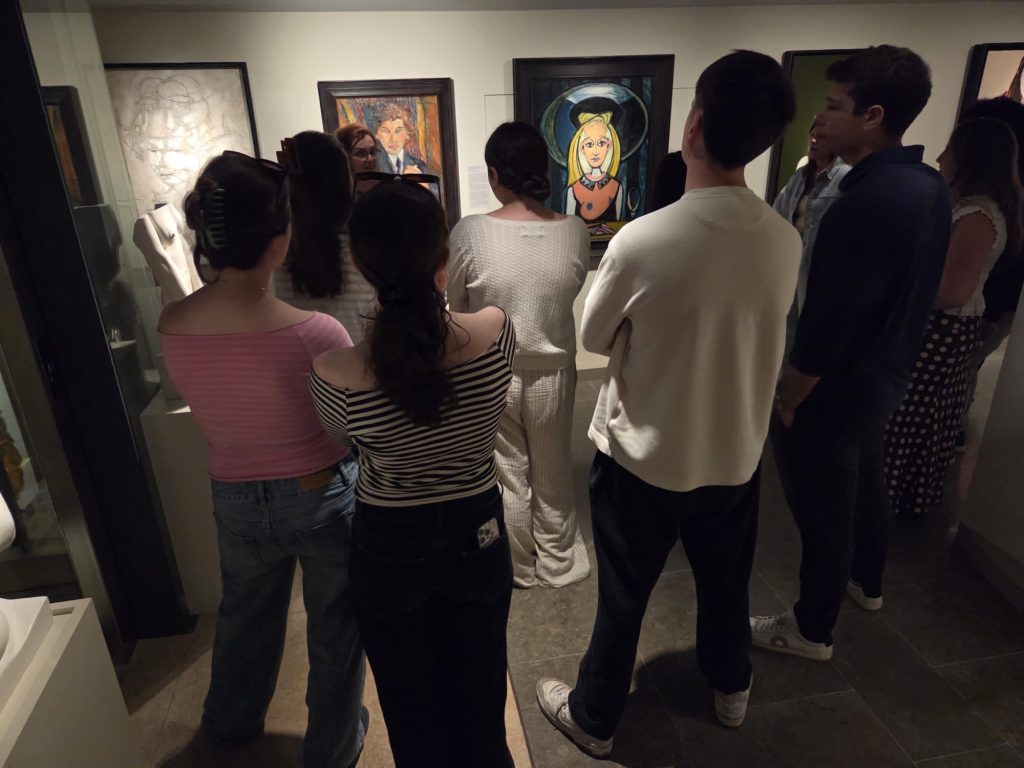
Students explored the town’s winding streets on their own before meeting back up as a group to enjoy some delicious local gelato and visit the FAMM (Femmes Artistes Musée Mougins). Founded in 2024 by Christian Levett, the FAMM is one of just a few institutions in the world dedicated entirely to female artists.
Students split into groups and were guided through the museum by FAMM docents. Highlights of the tour included Frida Kahlo’s painted orthopedic corset and Impressionist paintings by Blanche Hoschedé-Monet, Claude Monet’s stepdaughter. After a few hours in Mougins, students hopped back on the bus and headed to Nice, France.
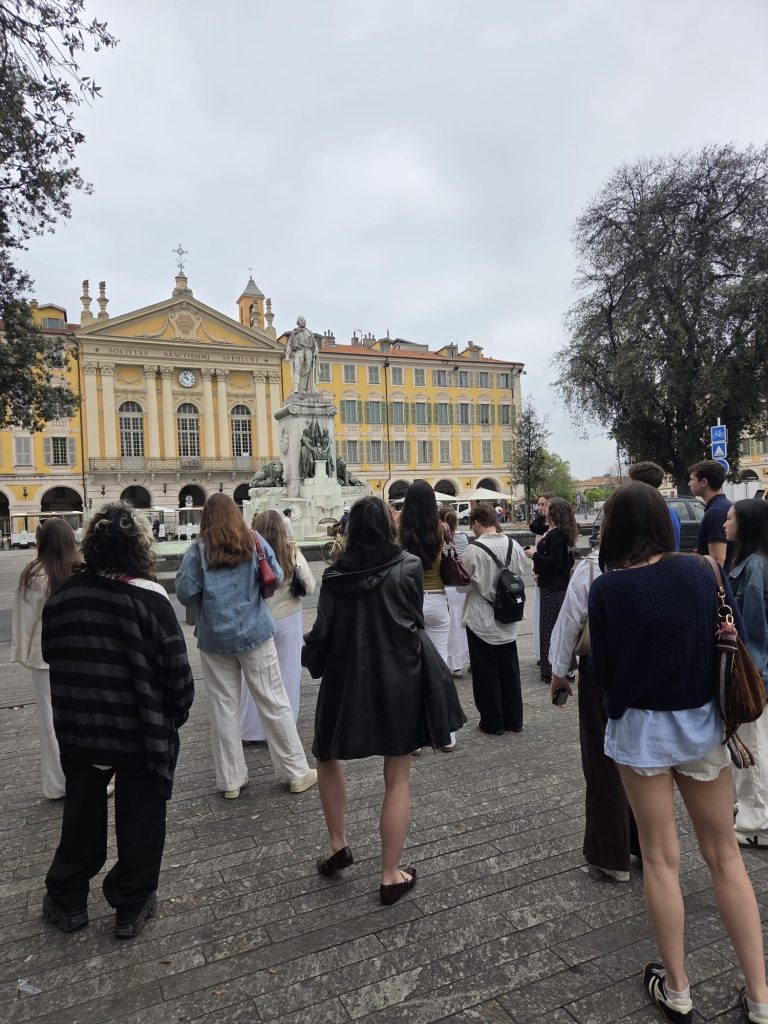
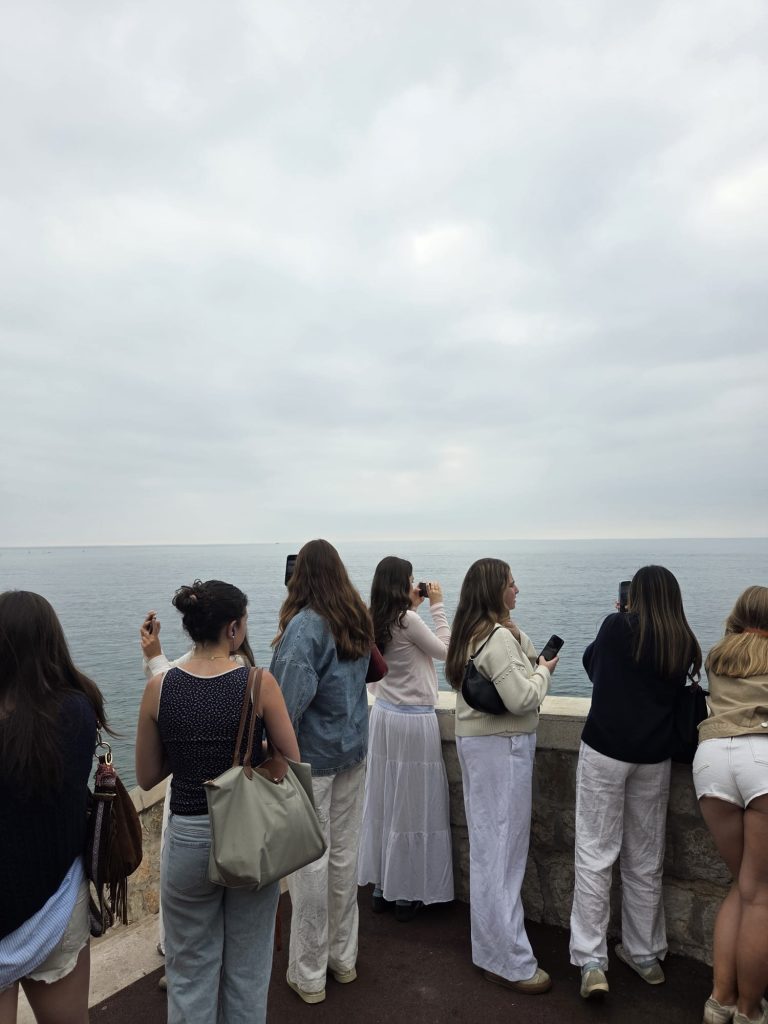
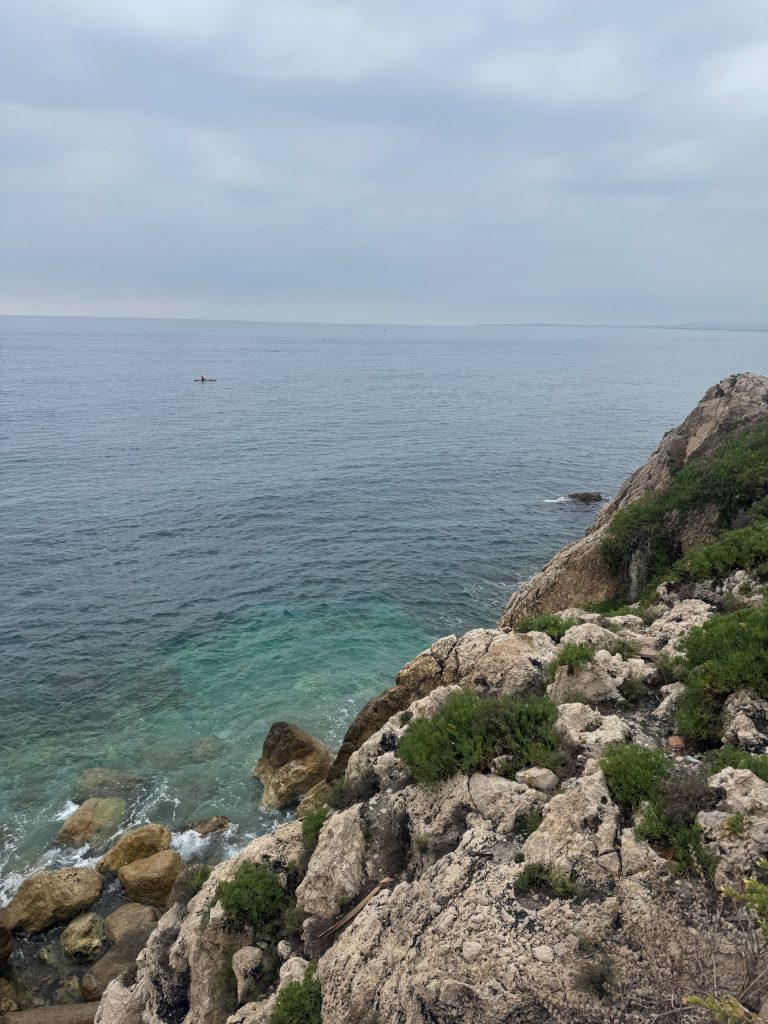
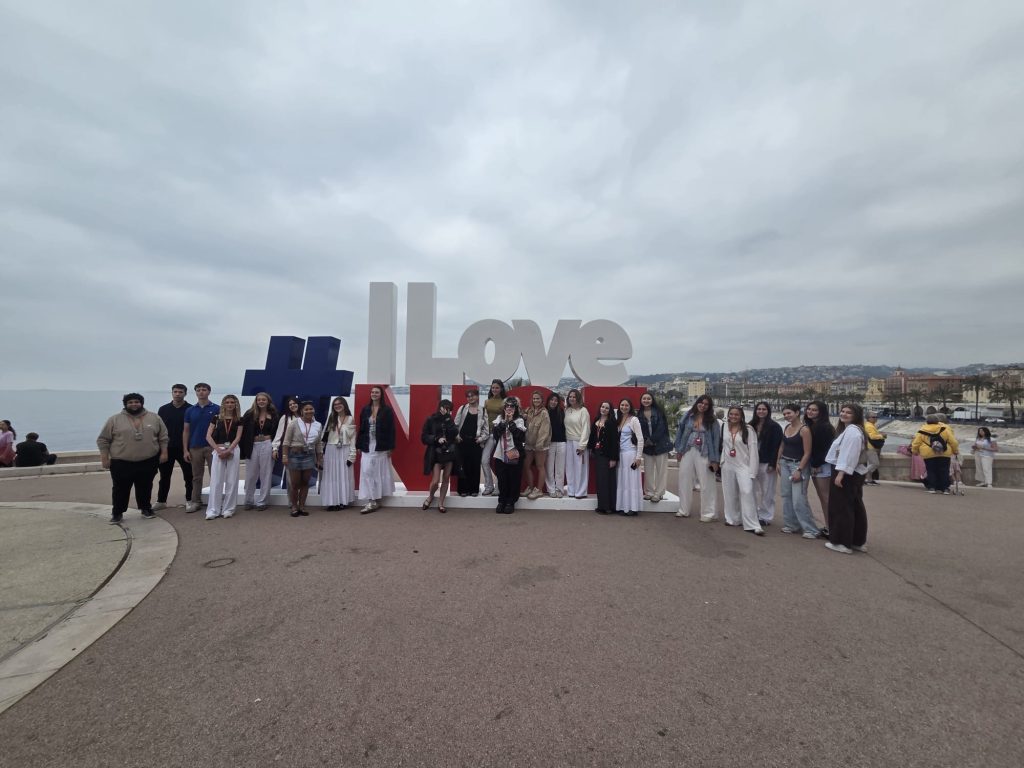
The next morning, the group enjoyed a walking tour of Nice. Strolling along the Promenade des Anglais, or “Walkway of the English,” students enjoyed breathtaking views of the ocean as they learned about Nice’s history as a winter getaway for the English aristocracy. After stopping for pictures in front of the iconic “I Love Nice” sign, the tour continued in the Old Town, the part of the city known for its colorful buildings, narrow streets, and artisanal shopping.
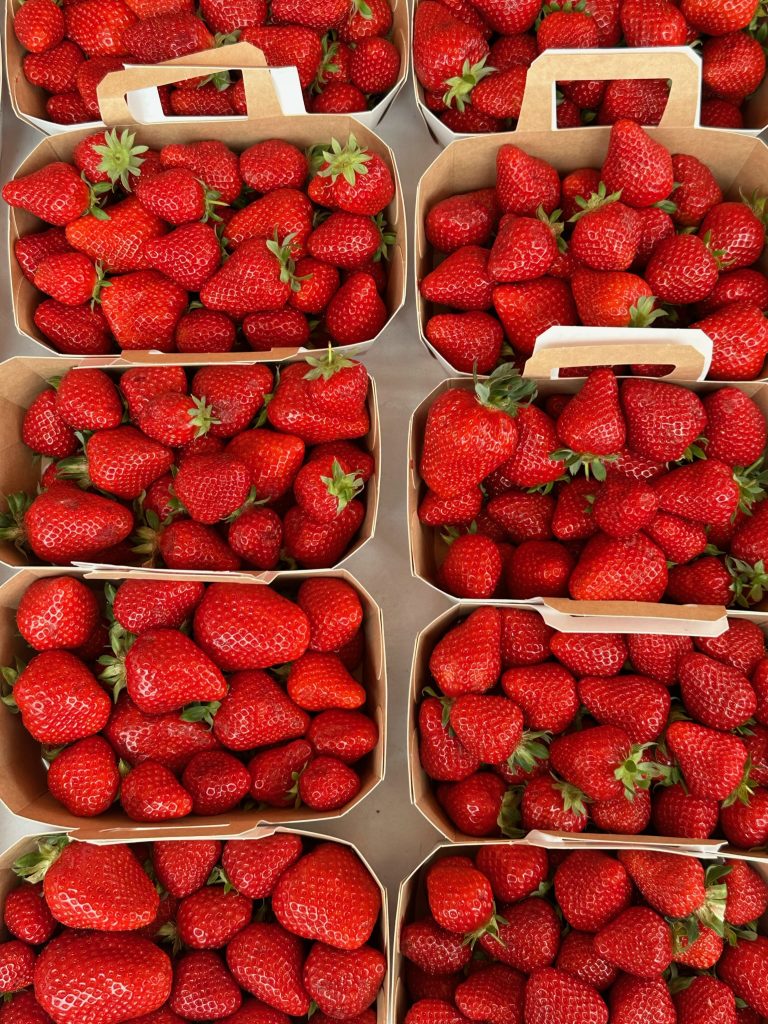
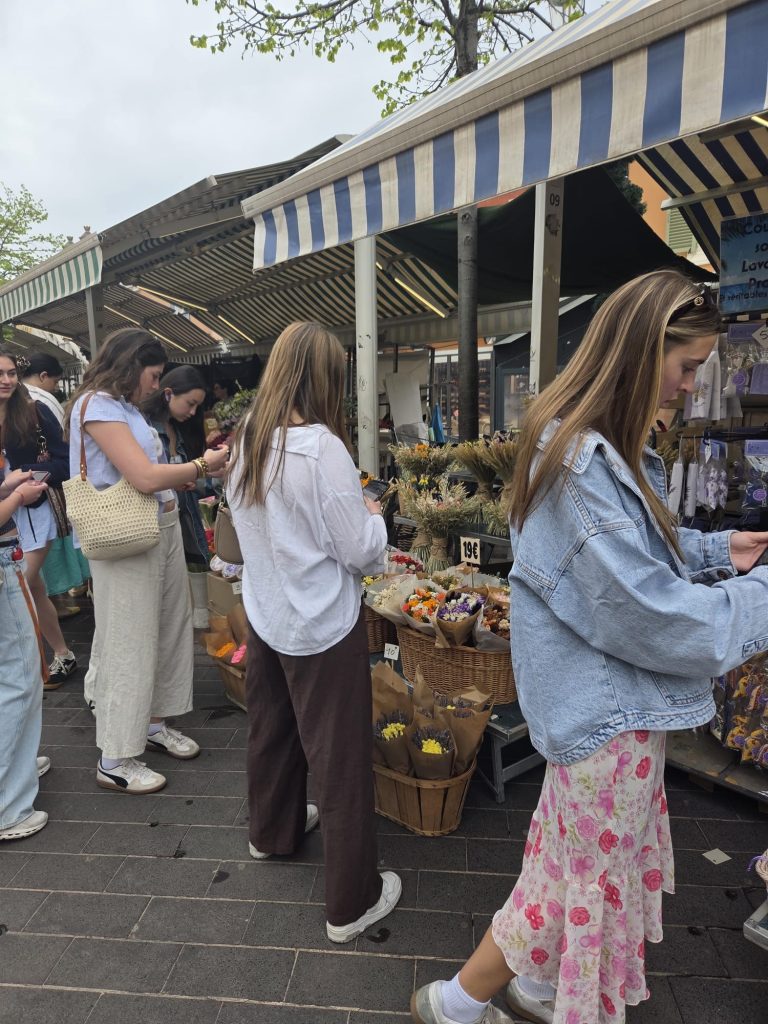
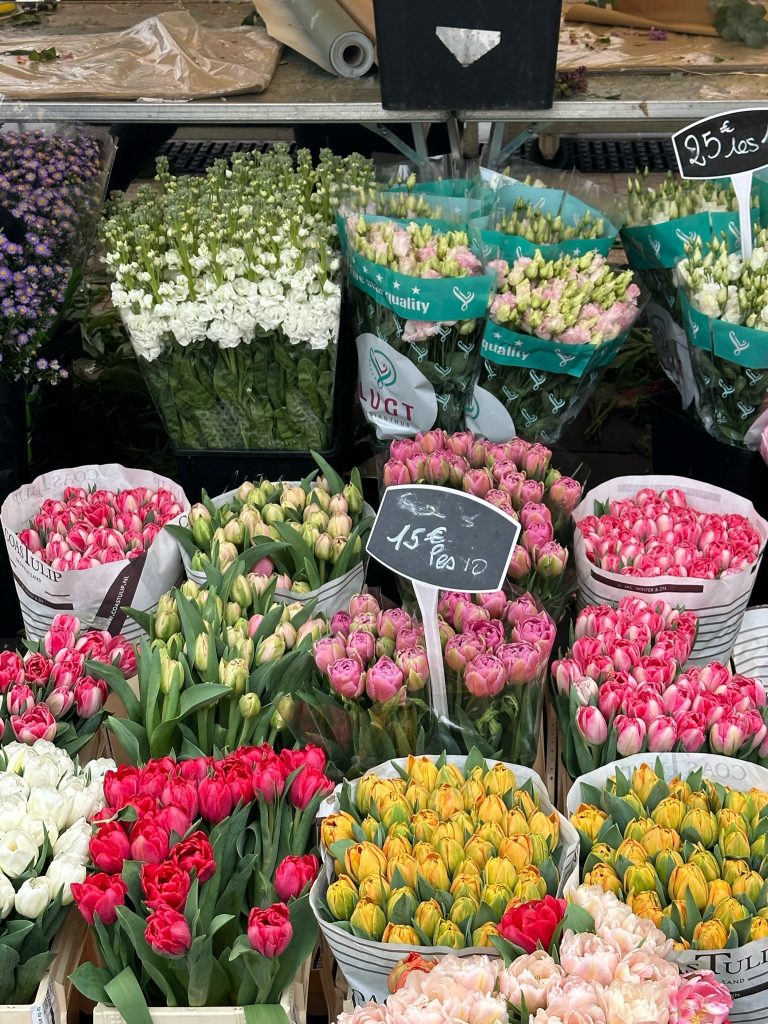
Students walked through the Cours Saleya Market, where vendors sell fresh produce, Niçoise soaps, and flowers six days a week. The guided tour ended here, giving students time to stock up on souvenirs before enjoying a group lunch at Restaurant Le Pois Chiche.
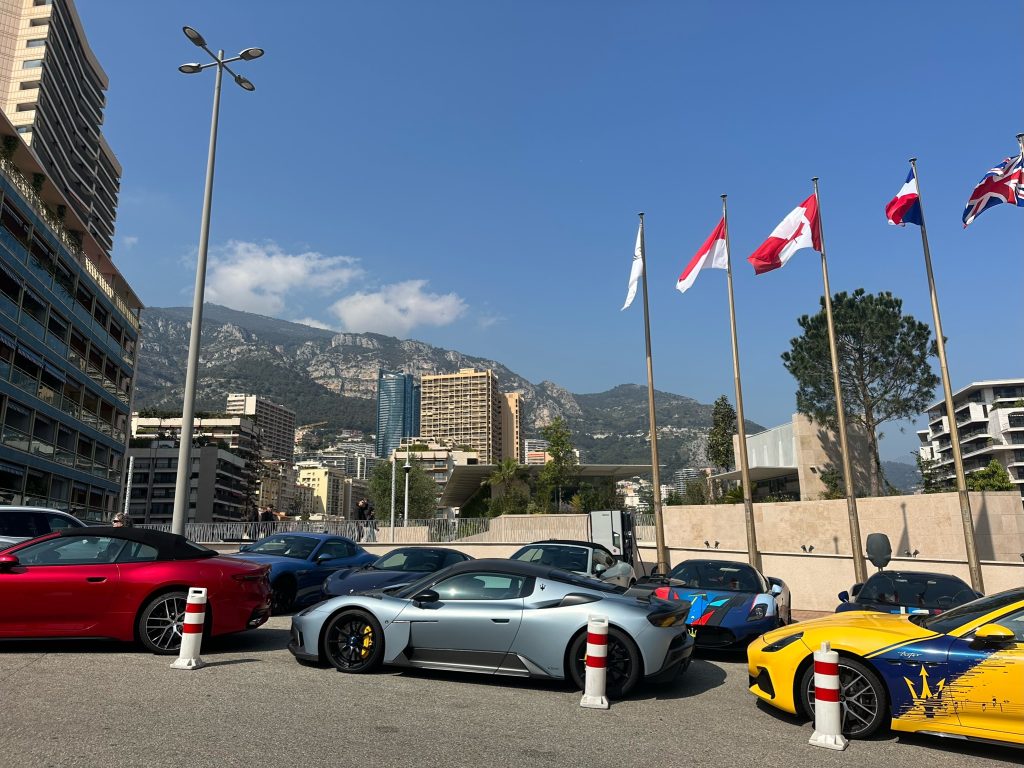
After lunch, students had free time to explore Nice and its surrounding towns at their own pace. Many took a 30-minute train to nearby Monaco, where they visited the iconic Monte Carlo Casino and walked along the famous Monaco Grand Prix circuit. Others soaked up the sun on Nice’s iconic pebble beaches or wandered through the town’s local boutiques.
The next morning, students boarded the bus and headed back to Florence, making a stop along the way in Viareggio to enjoy a traditional Tuscan lunch of cured meats and pasta at Trattoria Il Fiaschetto. It was the perfect way to wrap up a weekend of unforgettable memories along the French Riviera.
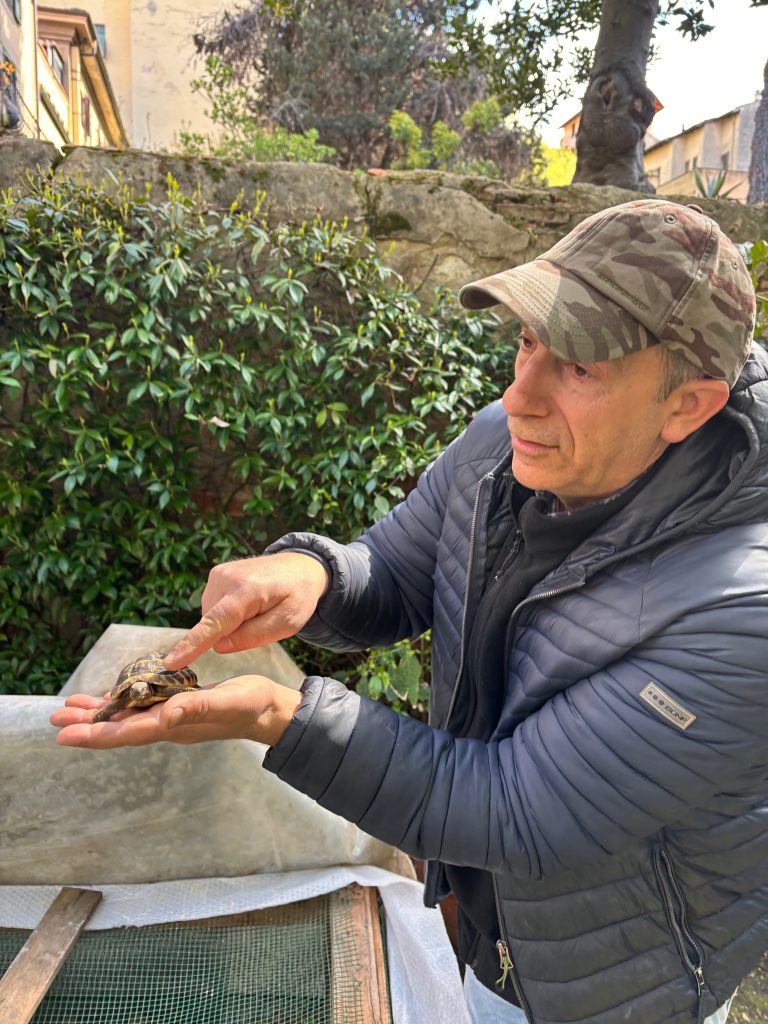
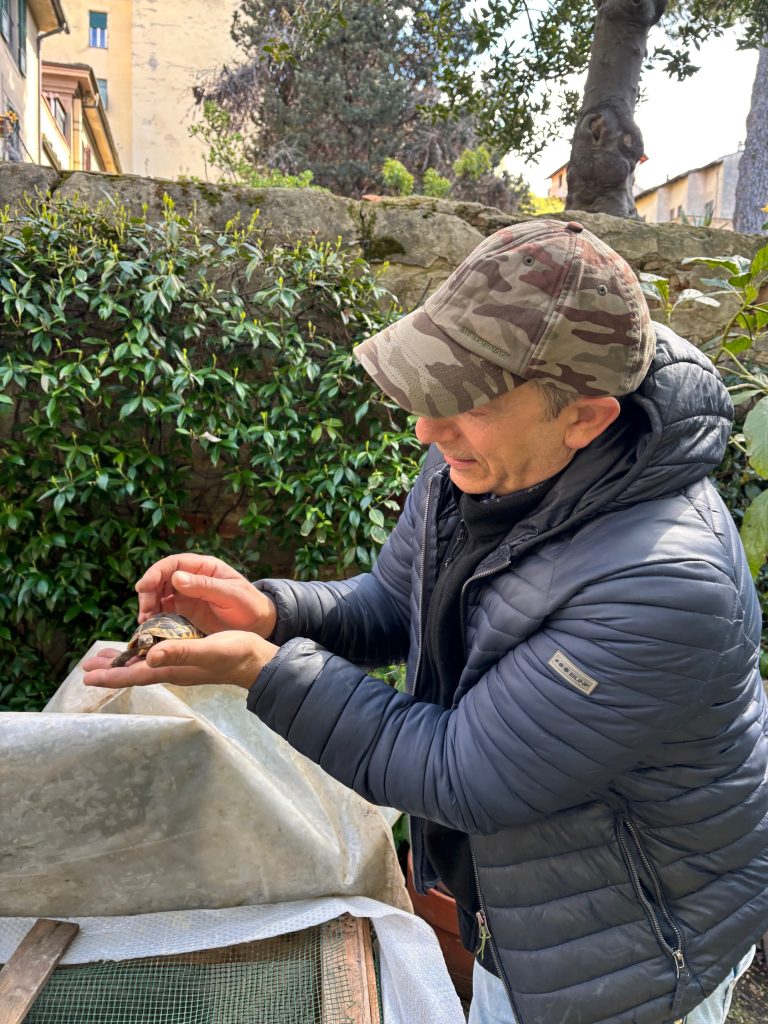
Hidden in the shade of Syracuse University’s Florence campus are some long-time residents that have the community abuzz as they reemerge from their winter hibernation.
At the center of it all is longtime groundskeeper Gelso Sassonia, who has spent more than two decades shaping the campus landscape. After completing his military service in Italy, he began working in the Syracuse Florence gardens nearly 23 years ago. “A lot has changed,” he noted, referring to renovations, construction projects, and even the addition of a fountain. Parts of the property have expanded, old walls have been partially preserved for historical reasons, and the gardens have evolved alongside the school.
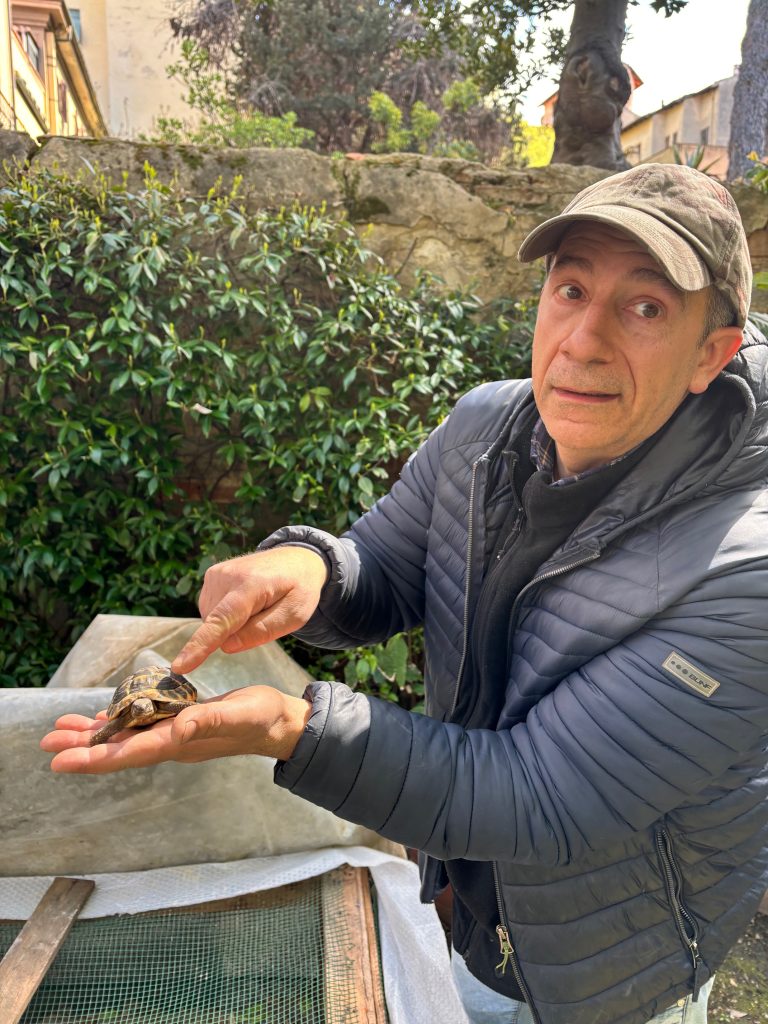
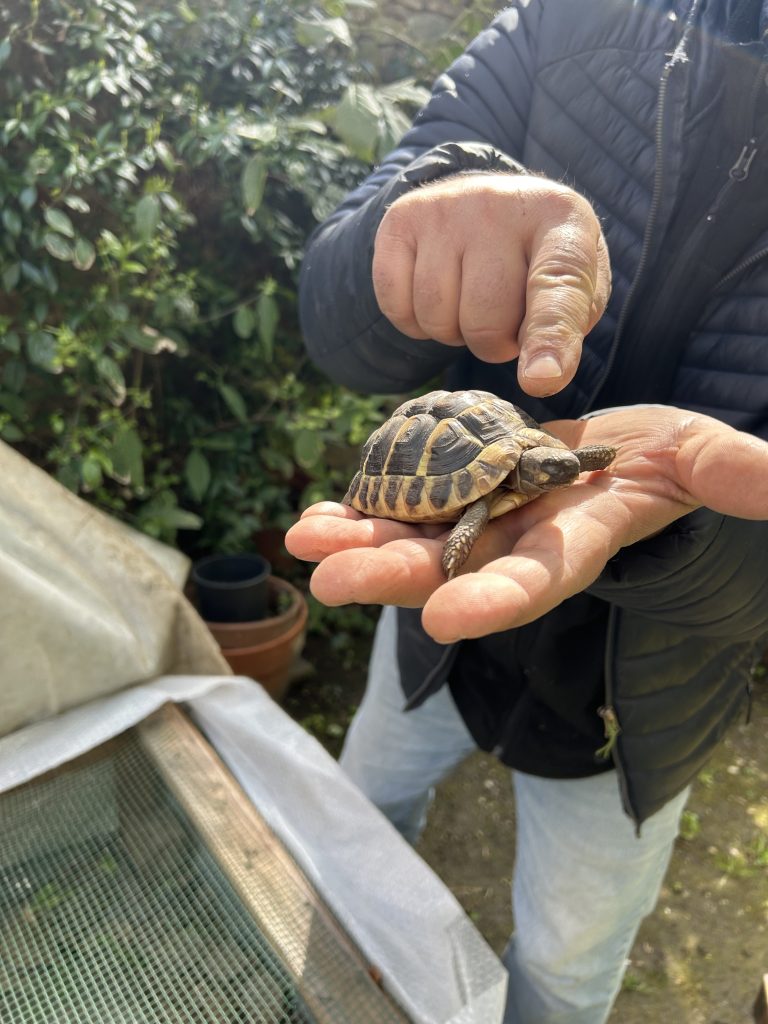
Through it all, one thing has remained constant: the turtles. “They were already here when I arrived,” Sassonia explained, referring to the larger, older turtles that have inhabited the gardens for decades. He believes some may be at least 30 years old, and possibly much older. The turtles’ diet is simple, but fresh. They eat leafy greens, tomatoes, and apples, often sourced directly from the campus garden itself. It is a true garden-to-table routine that reflects the natural, low-maintenance lifestyle the turtles seem to enjoy. They sleep; they eat—it’s a good life.
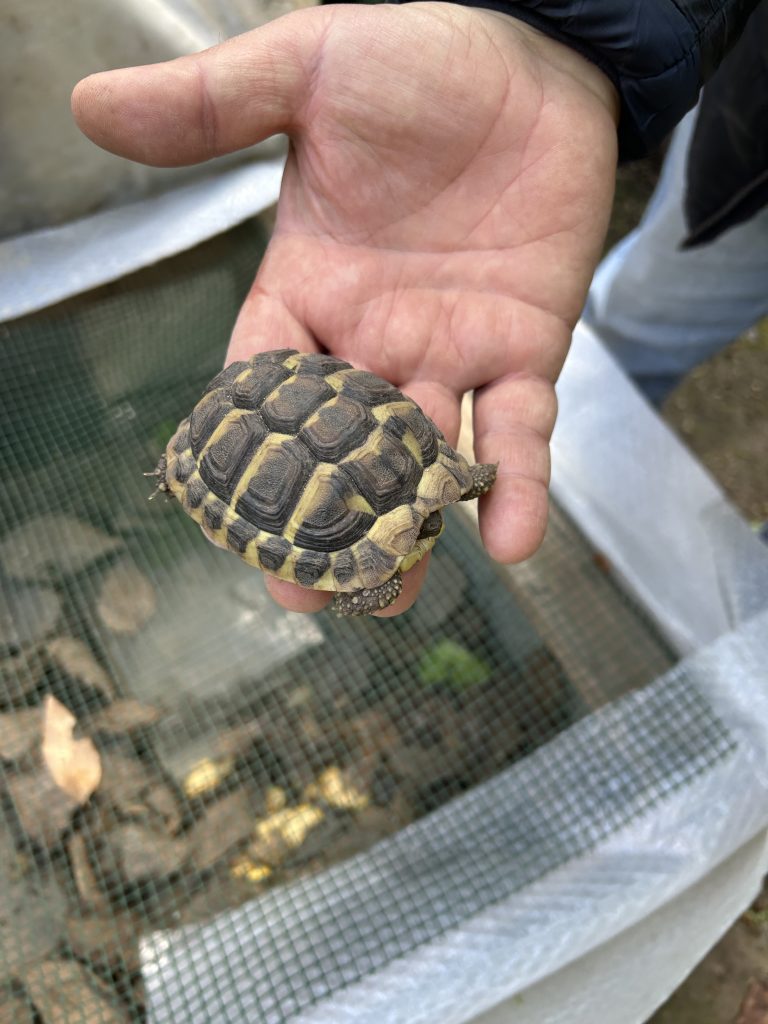
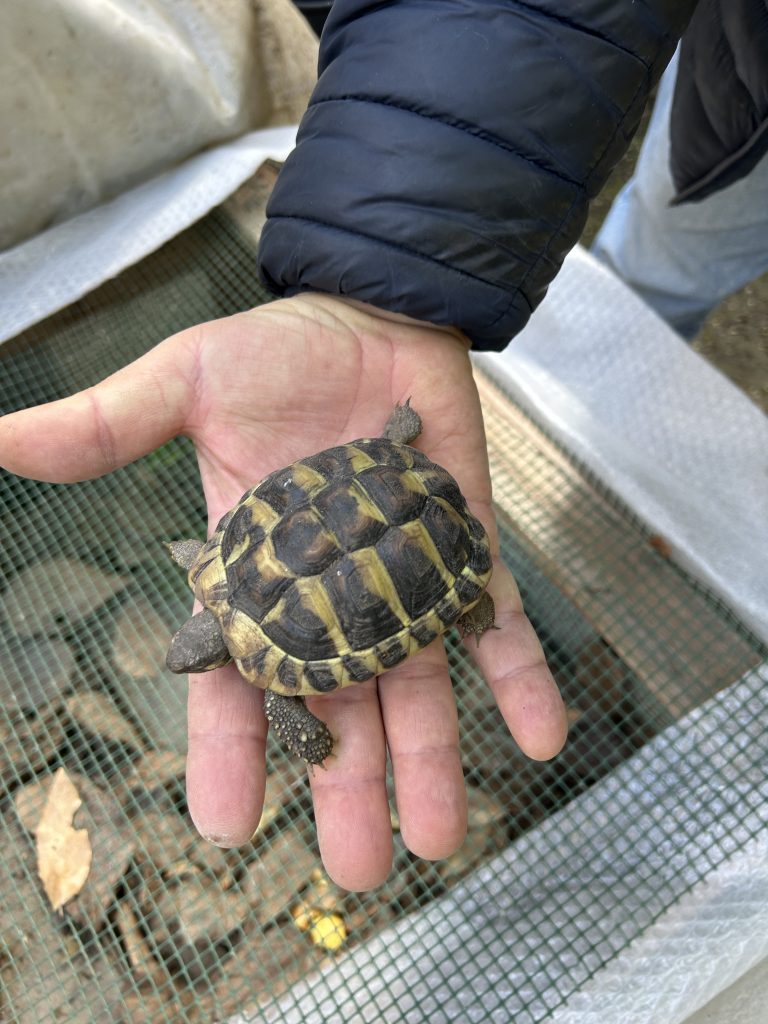
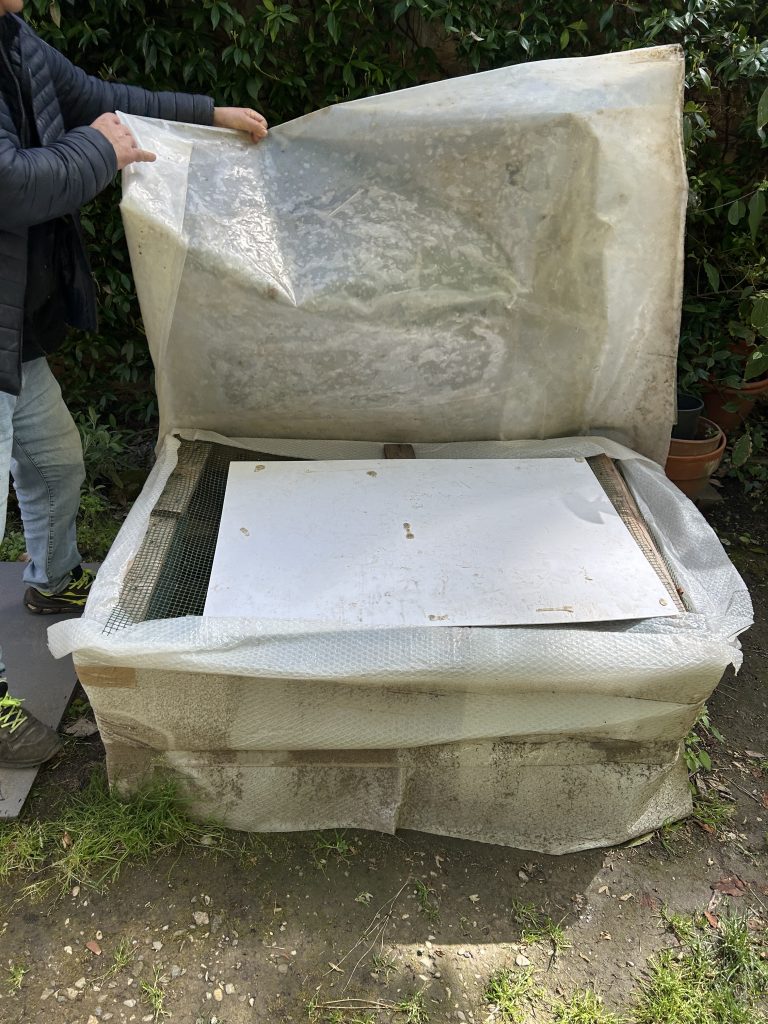
More recently, something new has been unfolding. A surge of younger turtles has appeared. After years without population growth, new hatchlings have emerged within the last two years. This change is largely due to a successful pairing between a newer male and a resident female turtle. The result is a growing group of small turtles now being carefully raised in a protected enclosure.
While they do not have official names, they clearly recognize a familiar presence. When Sassonia approaches them with food, they slowly make their way toward him. “He’s like their dad,” one student remarked. Their enclosure, located in the garden of the Annex, is a product of resourcefulness. Built entirely from recycled wooden pallets, it provides a safe space for the young turtles during their most vulnerable stage. Early on, their shells are still soft, which makes them easy targets for predators like crows. As they grow and their shells harden, they can safely explore beyond the enclosure.
The turtles’ seasonal rhythms add another layer to their story. During colder months, they hibernate beneath leaves and bushes around campus and remain nearly invisible until warmer weather returns. “They’re just starting to wake up, slowly but surely,” said Sassonia. Despite decades of experience, his expertise came not from formal training but curiosity. “He Googled it,” my interpreter explained, referring to online research that gradually turned into a genuine passion. Over time, that curiosity evolved into deep care and commitment to the turtles’ well-being.
Today, the project stands as more than just a habitat. It reflects dedication, sustainability, and the unexpected connections that can form on campus. In a fast-paced academic environment, this small garden offers something different. It is a reminder that growth does not have to be rushed. Sometimes, it happens slowly, steadily, and right beneath our feet.
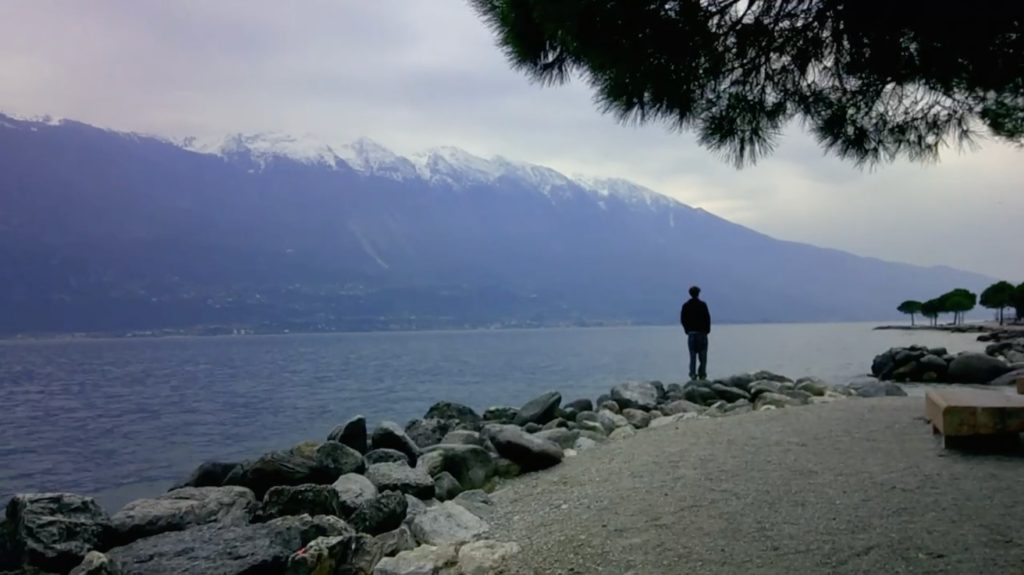
Just before spring break, Syracuse Florence student Vivian Baltzer had an idea: curate an art exhibit exploring the theme of migration away from home through work by student artists.
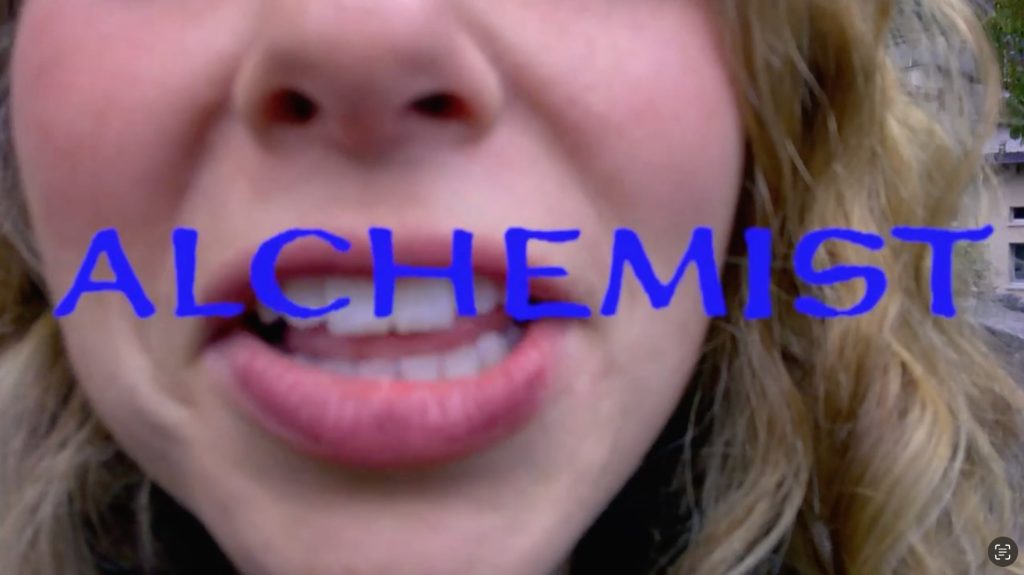
Belle Halt, Alchemist 1, 2026. Video. @bellehaltart
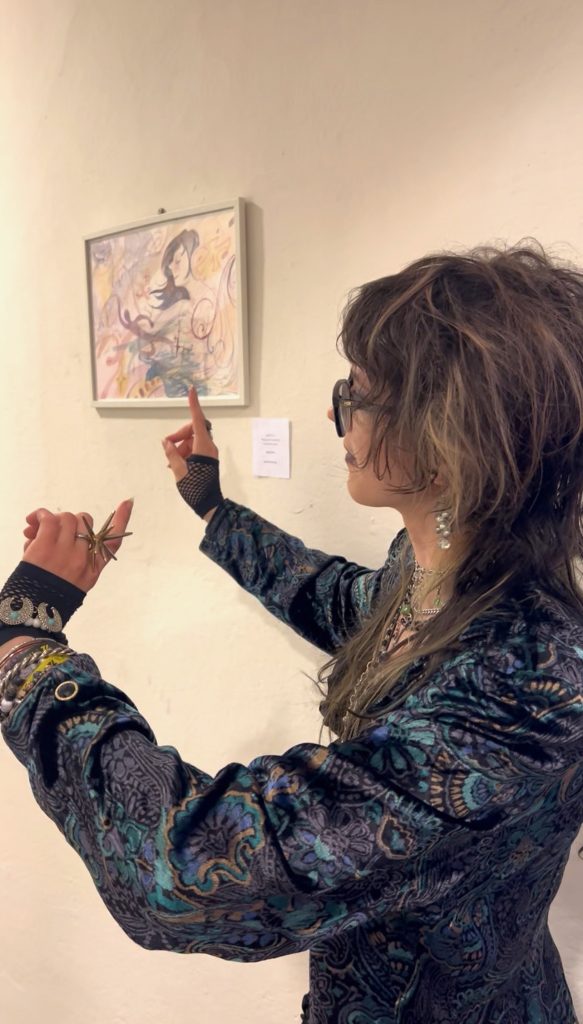
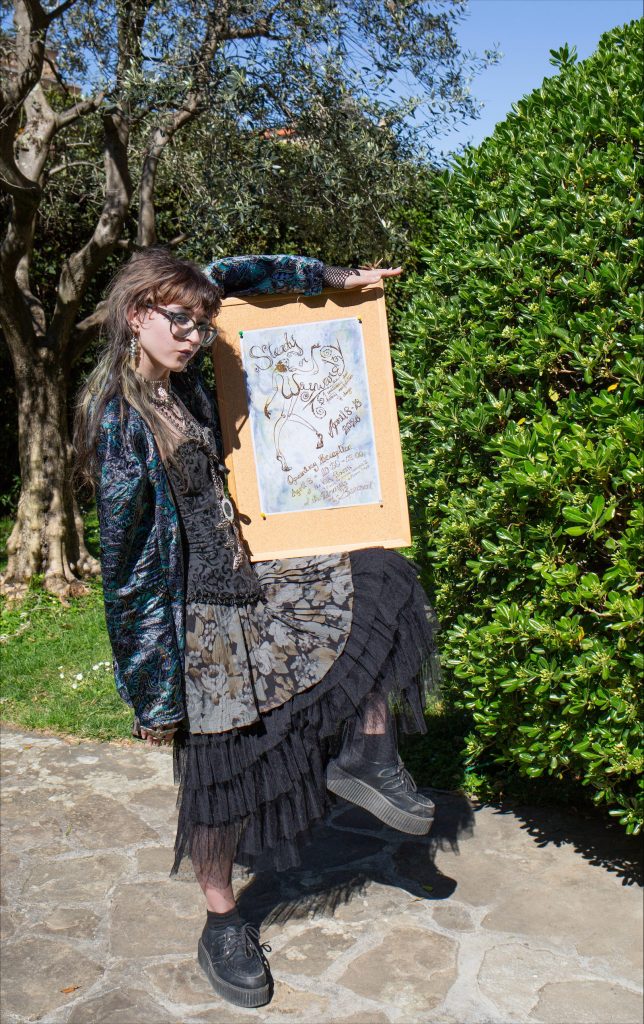
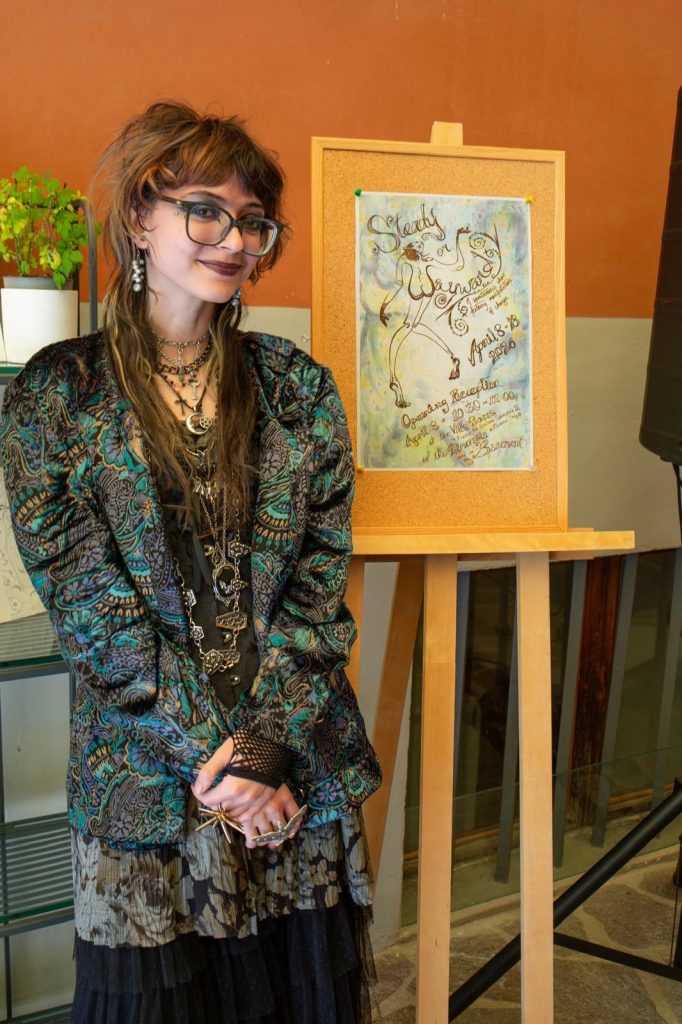
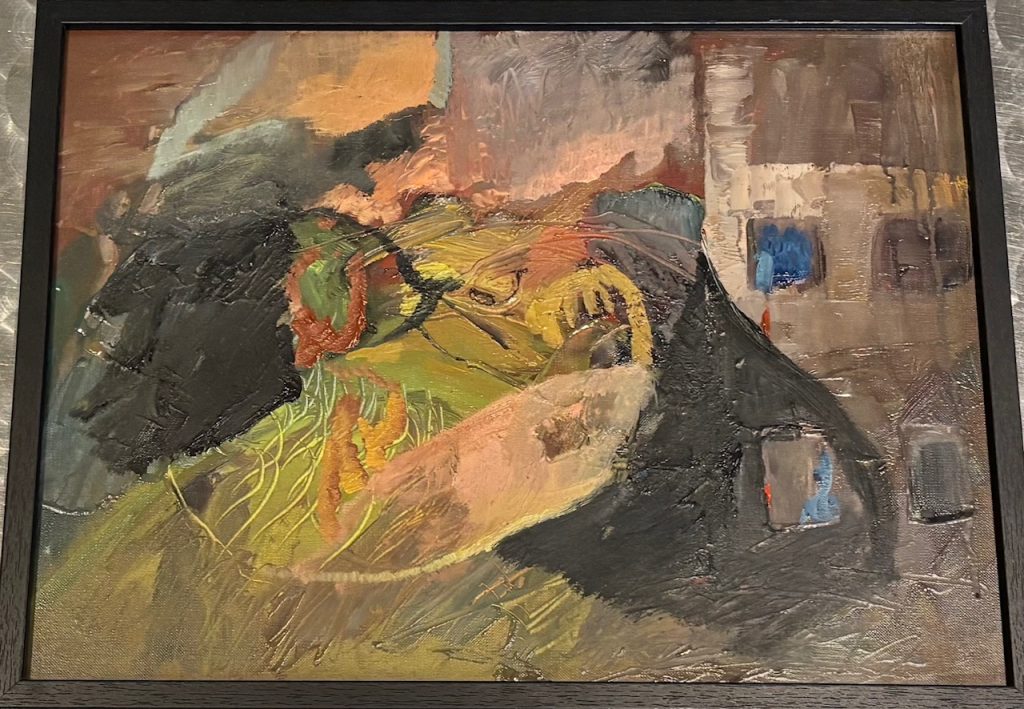
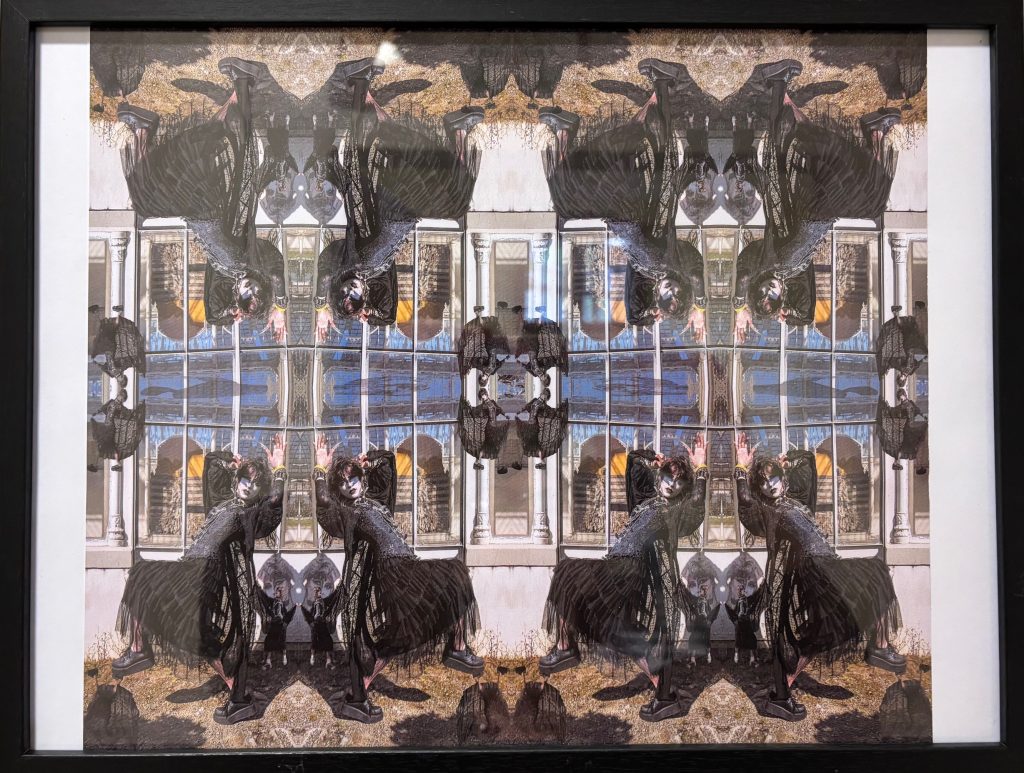
Just a few weeks later Steady or Wayward: A Spontaneous Show opened in the Villa Rossa basement on April 8. On view until April 18, Steady or Wayward features artwork by eight Syracuse Florence students, including Baltzer herself.
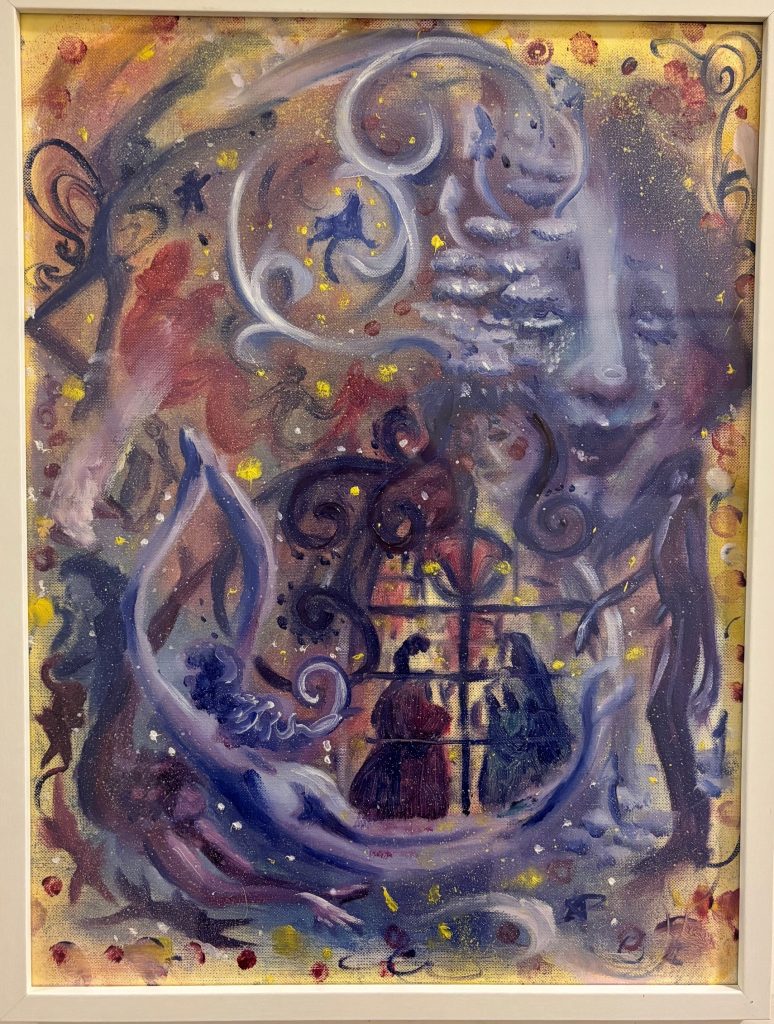
Vivian Baltzer, Ripples in the Fabrication of Thy Former Being, 2026. Oil on Paper (40x30cm). @vivianbaltzerart
Each student was encouraged to see what they could create in a few hours, channeling their emotions into original photographs, videos, and paintings. Baltzer says she wanted to give participating artists the opportunity to reflect on their own study abroad experiences in a meaningful and creative way.
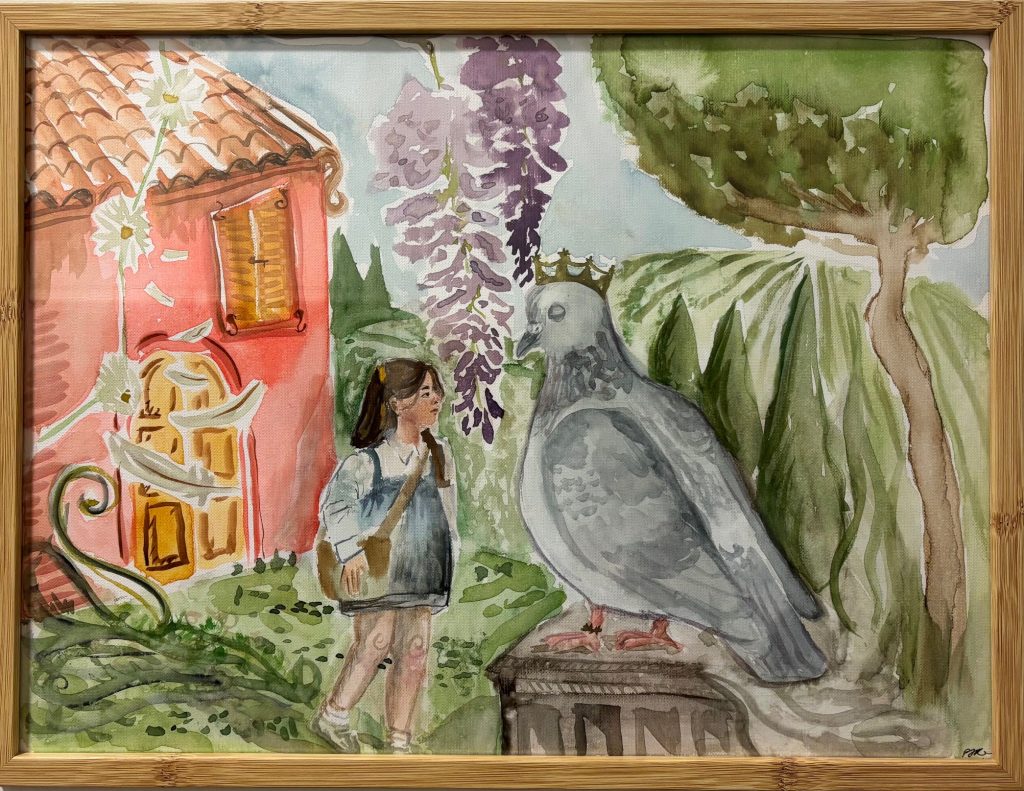
Penelope Ratz, Columbini, 2026. Watercolor on Paper (30x40cm). @penelopejamison_arts
“I think the study abroad experience is very, very vast,” she said. “It’s important for people to really connect with themselves, especially now, because there’s so much tragedy going on in the world. We really need to focus on ourselves in order to be able to help other people.”
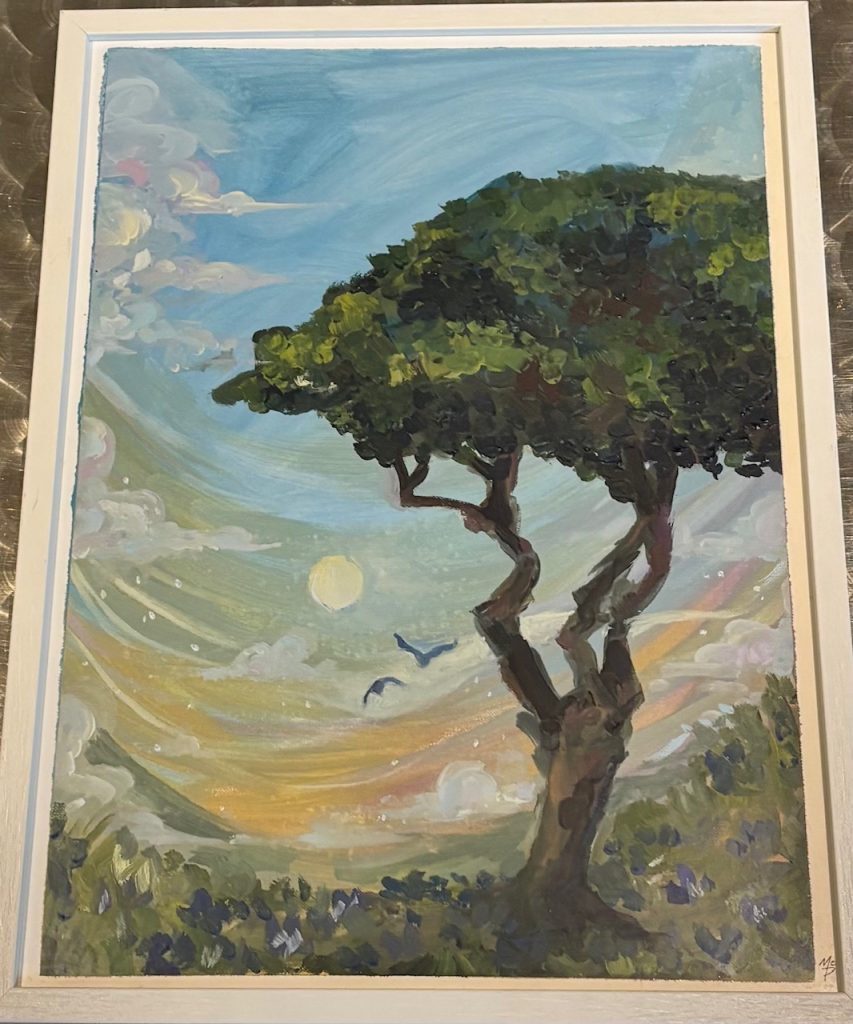
Mara DuBay, A New Flight, 2026. Oil on Paper (40x30cm). @maradubayart
Over the semester, Baltzer interned at Faustini Arte, a local art gallery, through Syracuse Florence’s internship program. She said her hands-on experience at the gallery inspired her to curate her own show before entering her senior year. That goal, she said, was made possible by staff members like Rachael Smith, the Assistant Director for Students’ Academic Success.
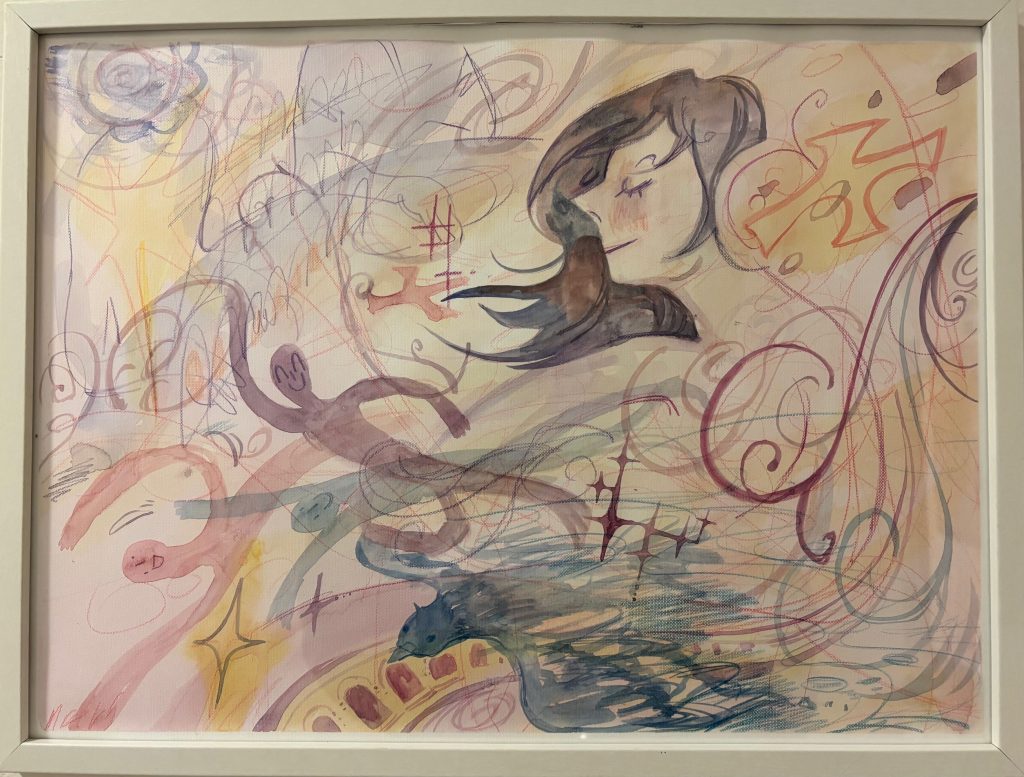
Abigail Shim, And It Goes, 2026. Watercolor and Colored Pencil on Paper (30x40cm). @abbydoesartyup
“Being so supported by the staff and faculty here was an immense help because I don’t think I would have been able to do it otherwise,” Baltzer said. “They were so excited when I had this idea, so it was all hands on deck.”
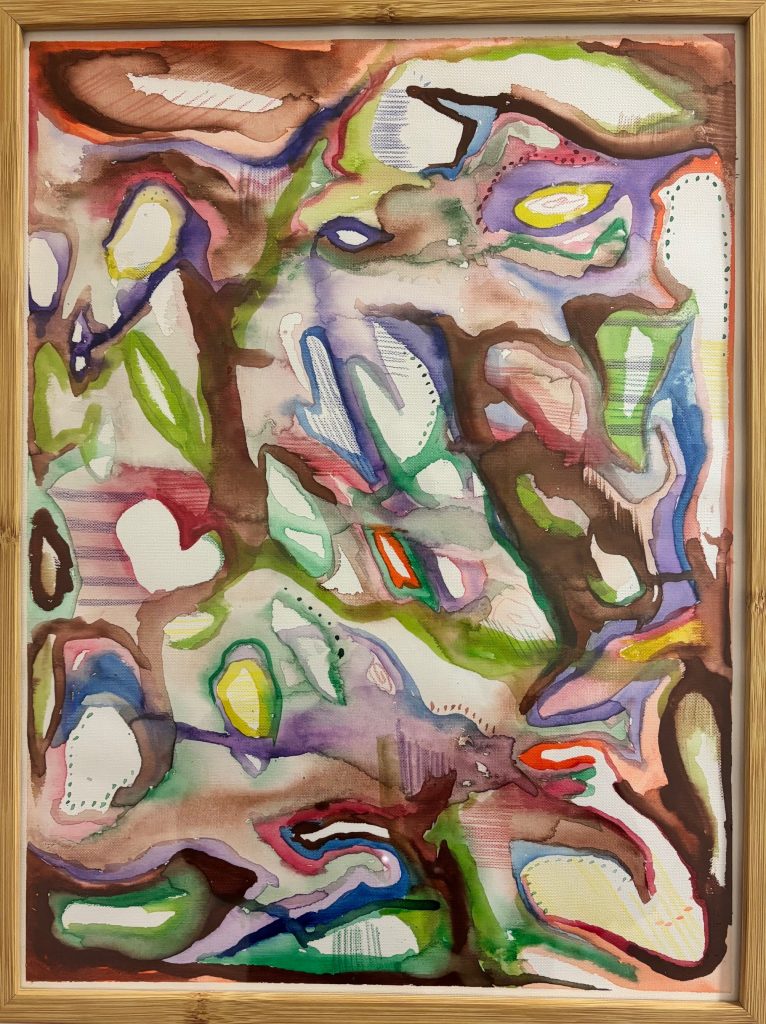
Romina Mendoza Olvera, feeling firenze, 2026. Watercolor on Paper (40x30cm). @_rrmina
Over the course of a few weeks, Baltzer recruited student artists, prepared the exhibition space, painted her own introspective piece for the show, and hosted an opening reception, which was attended by Syracuse Florence staff, students, and some Italian 101 classes.
Annabella Berry, Junctions and Accepted Space Between, 2026. Oil on Paper (30x40cm). @annabellaaberry
As the Spring ’26 study-abroad semester comes to an end, Steady or Wayward reminds viewers to reflect on their experiences: the good, the bad, and the in-between.
Adrianne Ramirez, Caleidoscopio, 2026. Digital Photograph (30x40cm). @cheze.whiz
Syracuse Florence is proud to join the 32nd edition of Le Chiavi della Città, an educational initiative promoted by the Comune di Firenze that offers complementary learning opportunities to students, families, and teachers across Florence.
Now in its thirty-second year, Le Chiavi della Città continues to expand its reach, with 597 educational projects designed to enrich the academic experience of students from early childhood programs through secondary school. The initiative provides workshops, laboratories, performances, and guided activities that support schools in fostering creative, responsible, engaged learners. By bringing together institutions across the city, the program strengthens collaboration between schools and the broader community.
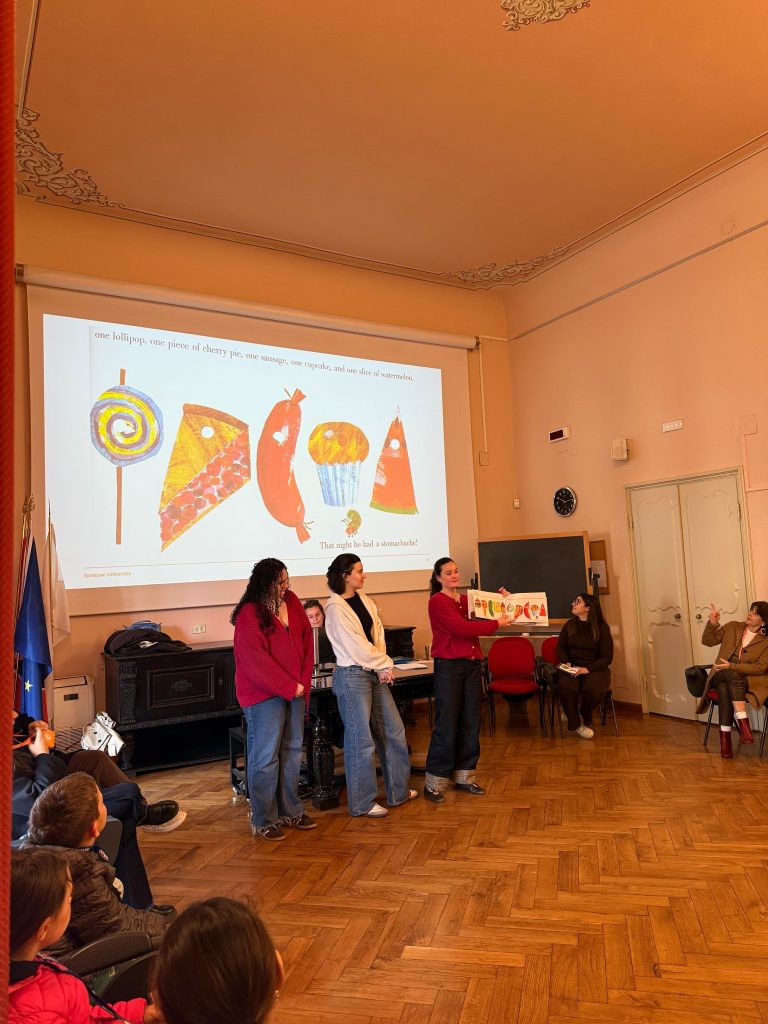
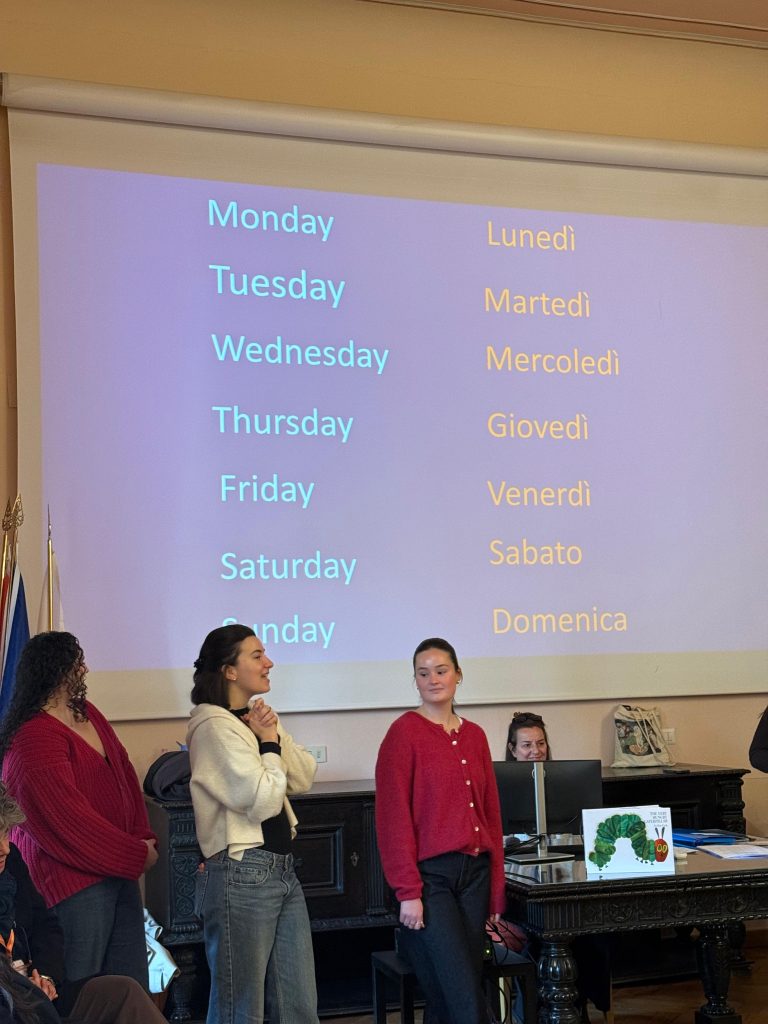
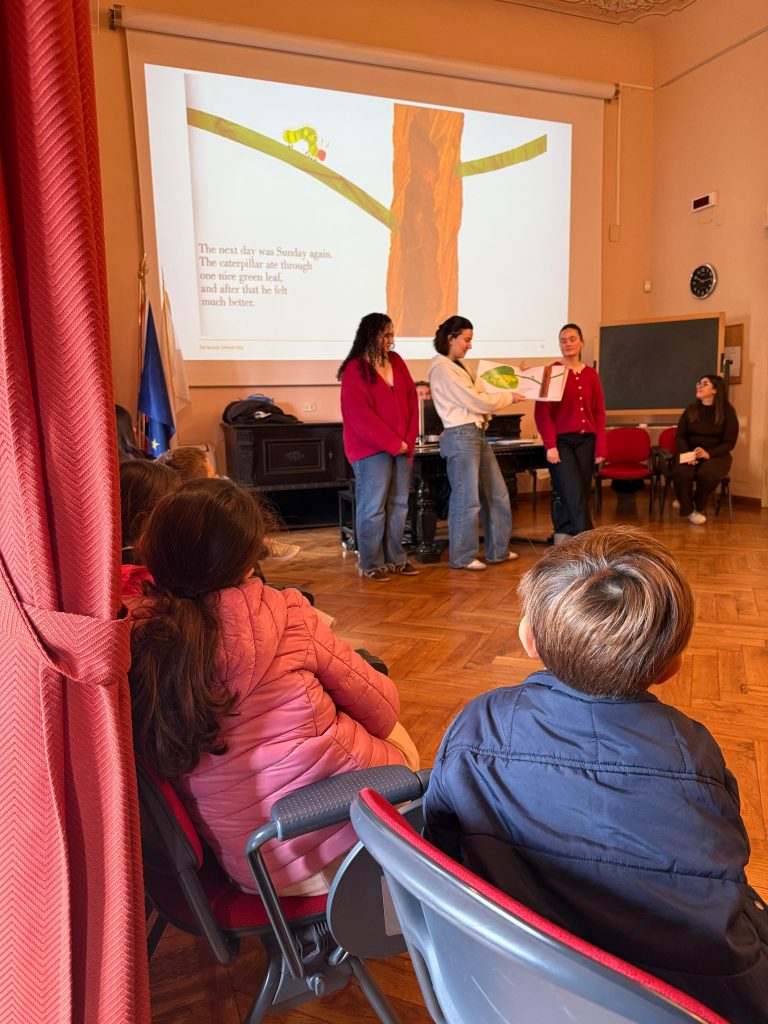
Beginning this Spring semester, Syracuse Florence has become part of this growing network through a new project entitled Storytime at Syracuse. Developed in collaboration with local primary schools, the initiative creates opportunities for meaningful interaction between Syracuse students and young learners in the Florentine area.
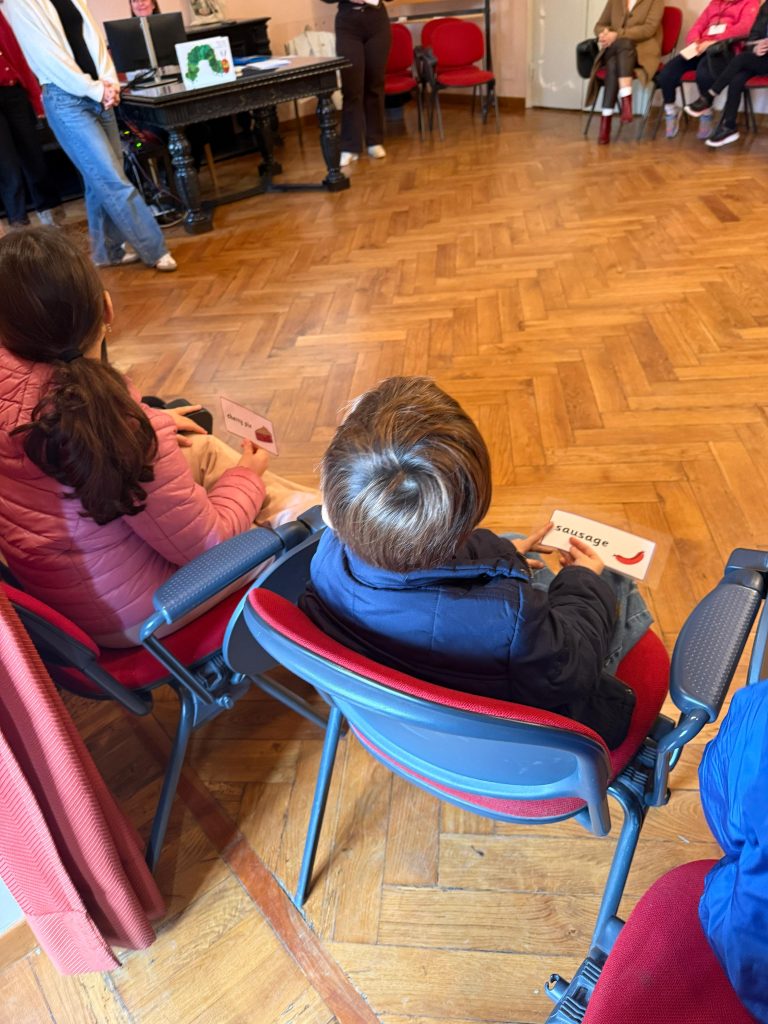
As part of the program, Syracuse students host storytelling sessions centered on the illustrated children’s classic The Very Hungry Caterpillar by Eric Carle. Through guided reading and interactive activities, the sessions introduce children to English in an engaging and accessible format.
The project offers valuable benefits for both groups. For Syracuse students, it represents an opportunity for community engagement and experiential learning, allowing them to apply communication skills in a real-world setting while deepening their cultural immersion. For the participating children, the sessions provide direct exposure to native English speakers and an alternative approach to language learning that complements their classroom instruction.
By contributing to Le Chiavi della Città, Syracuse Florence reaffirms its commitment to active participation in the local community and educational initiatives that foster cross-cultural dialogue and collaboration. The University is honored to support a program that has long played a significant role in the educational life of Florence and looks forward to the next appointments of Le Chiavi della Città and to continuing this meaningful collaboration.
Our language exchange program—revived this semester and rebranded with the special name TALKISSIMO—continues to offer students a way to engage with language beyond the classroom.
On paper, Talkissimo is a language exchange. In practice, it rarely stays that simple.
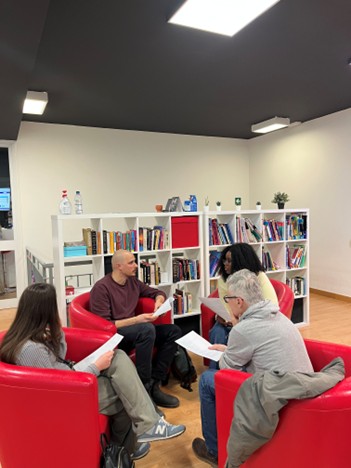
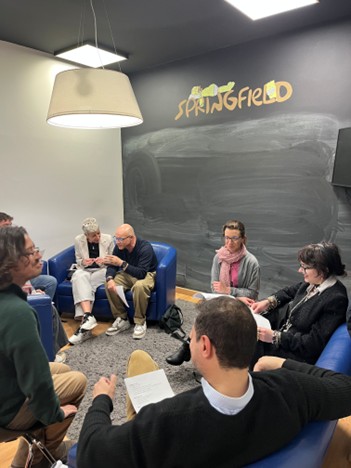
The program brings together Syracuse students studying Italian with local learners working on their English. They meet, sit down, and start talking. There’s no script to follow for long. Conversations drift, overlap, restart. Italian becomes English, then switches back again. At some point, people stop thinking about which language they’re using.
This semester, the program is carried out in partnership with The British Institute of Florence and My English School, two well-established language schools in the city. Both focus strongly on communication and on creating environments where language is actively spoken and tested in real time. That shared approach helps create a setting where the exchange feels immediate and informal from the start.
What makes Talkissimo effective is its balance. Everyone arrives with something to practice, but also something to offer. Our students are looking for a more direct, less filtered way into Italian, while local participants are equally interested in using their English outside of a classroom setting. The result is a conversation that belongs to both sides.
Just as important is who those conversations happen with. Students don’t only meet peers, but people with different routines, perspectives, and life experiences. Those differences shape the conversation itself, making it less predictable and more substantial than a simple exercise.
Alongside the language itself, it is often the smaller moments that stand out. A word that doesn’t come out right and turns into a joke. A story that takes longer to tell than expected. The kind of laughter that comes from not quite understanding something—and then suddenly getting it.
Over time, these exchanges become part of the rhythm of the semester. By the end, what remains is not only a stronger grasp of the language, but also a series of conversations, voices, and encounters tied to a specific time and place.
At Syracuse Florence, we are proud to highlight the growing national and international recognition of our Director, Sasha Perugini, Ph.D., whose work at the intersection of artificial intelligence and study abroad has placed her among the leading voices shaping this conversation in higher education.
A Panel in Bologna to Open the Dialogue
Last November, Perugini led a panel on AI and education abroad at the Forum on Education Abroad European Institute conference in Bologna — one of the field’s most prominent gatherings for European-based practitioners. The panel brought together scholars and professionals to examine how AI is transforming both the practice and the promise of international education. Perugini framed the conversation around two questions that feel increasingly urgent: what does a shifting job market mean for study abroad graduates, and what are the implications of living and learning in a world where the most influential AI tools are shaped almost exclusively within U.S. and Chinese cultural frameworks? Joined by Syracuse Florence colleagues Laura Fenelli and Christine Bakker exploring pedagogy and human rights, the panel offered a rare blend of the practical and the philosophical.
From left: Christine Bakker, Rachael Smith, Laura Fenelli, Sasha Perugini, Gianfranco Borio, and Mario Russo
Insights from the Bologna conference were subsequently gathered and published in a Forum on Education Abroad White Papers collection, extending the reach of that dialogue to a wider professional audience. Her contribution to the published collection argued that study abroad is not merely compatible with an AI-saturated learning environment, but structurally necessary to it — a corrective to the disembodied, algorithmically mediated forms of knowledge that increasingly dominate higher education.
A Practical Toolkit for the Field
Building on those conversations, Perugini co-chaired a Forum on Education Abroad working group that spent several months developing “AI in Education Abroad: Practical Tools for Administrators and Faculty” — a comprehensive toolkit launched in mid-February 2026. Designed specifically for the education abroad community, the resource offers hands-on guidance, practical examples, and ready-to-use prompts to help both faculty and administrators integrate AI tools meaningfully into their work — whether in the classroom, in program design, or in day-to-day operations.
A Voice in the National Conversation
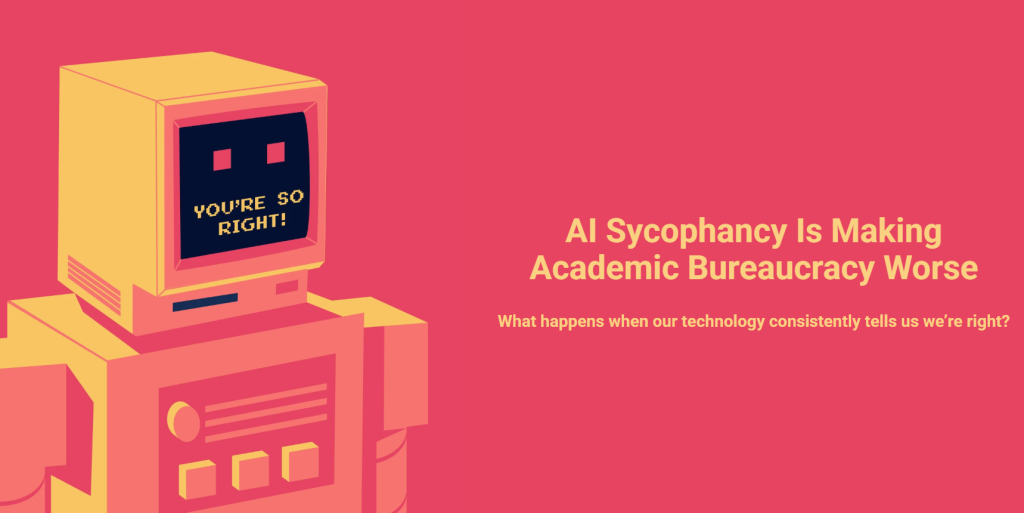
On February 24, 2026, Perugini brought her perspective to an even broader audience with an opinion piece published in the Chronicle of Higher Education — one of the most widely read publications in U.S. higher ed — titled “AI Sycophancy Is Making Academic Bureaucracy Worse.” The piece reflects her ongoing commitment to thinking critically and constructively about where AI is taking our field. A new article, “The Skills Gap and the Advantage of International Education: Rethinking Curriculum and More,” is also forthcoming in April in the EAIE Forum Magazine, the flagship publication of the European Association for International Education.
Hands-On in Nashville
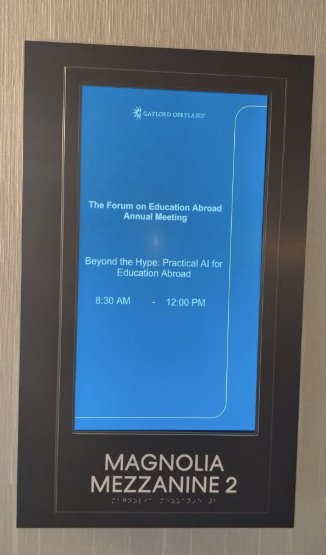
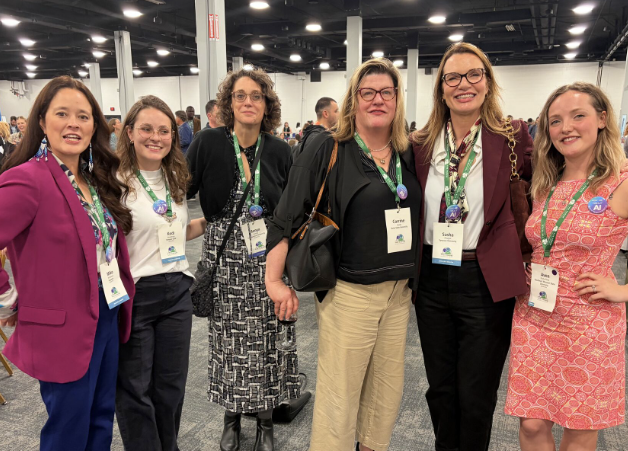
Most recently, Perugini co-led a pre-conference workshop at the Forum on Education Abroad Annual Conference 2026 in Nashville, Tennessee. Held on March 11, “Beyond the Hype: Practical AI for Education Abroad” offered participants direct, hands-on experience with generative AI tools while grounding the conversation in ethics, intercultural competence, and global workforce readiness. Perugini’s contribution focused on bridging AI and cross-cultural competence — helping practitioners identify cultural bias embedded in algorithms and harness AI as a tool for deepening diverse perspectives.
From Bologna to Nashville, and from academic panels to professional toolkits, Sasha Perugini is helping to define what thoughtful, culturally aware AI integration looks like in international education. We are proud to have her leadership reflected not only here in Florence, but across the broader global conversation.
What does a history student with a film minor do with a semester in Florence? If you’re Greg Reitman, you discover the Italian cinema masters, fall in love with storytelling, and spend the next three decades building an award-winning career in film. Now the founder of Blue Water Entertainment — an independent production company whose work spans documentary, narrative, and television — Reitman has made it his mission to create films that matter, tackling everything from social justice and poverty to politics and the environment.
We caught up with Greg to talk bicycles, pazienza, and why returning to Florence to shoot a feature film nearly 30 years later felt like coming full circle.
Please share any funny, strange, or embarrassing anecdotes related to cross-cultural adjustment while you were in Florence.
Like many American students, I initially underestimated just how different daily life would be—from mealtimes to transportation to the pace of everything. I vividly remember realizing that nothing ran on “American time,” and that learning patience was as much a lesson as anything in the classroom. It was humbling, occasionally frustrating, and ultimately transformative.
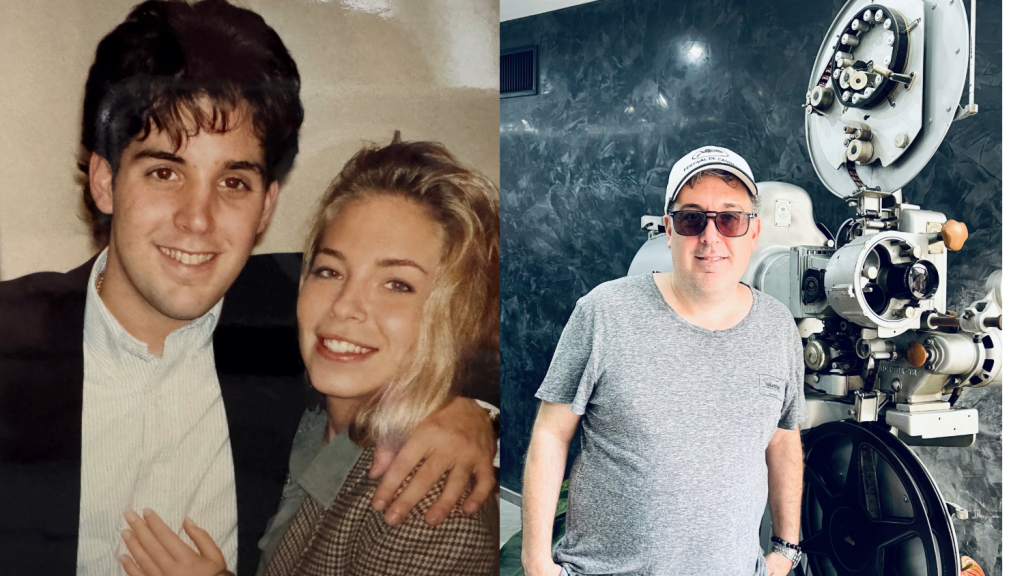
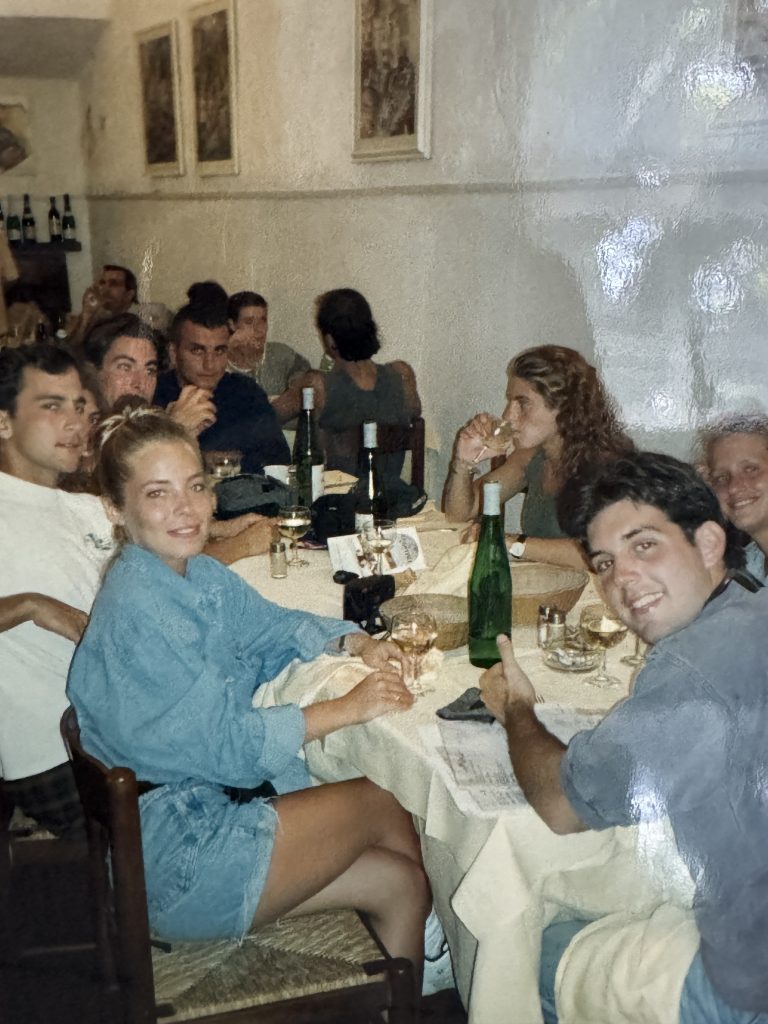
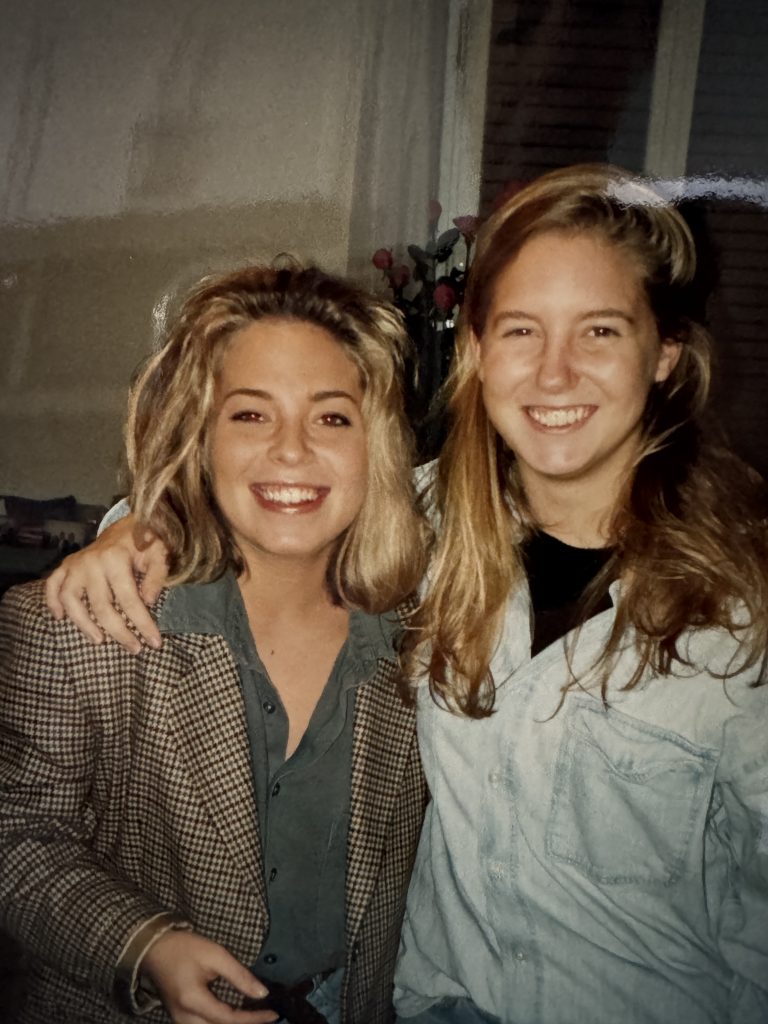
Jennifer Polimeni, Greg Reitman, and “the gang”Jennifer Polimeni and Brinley Schwartz
What was your host family situation like?
My host family was wonderful, but they lived about 45 minutes from campus, which made transportation a real challenge. A bicycle quickly became essential—not just for getting to class, but for fully experiencing the city and gaining independence in a place that rewards exploration.
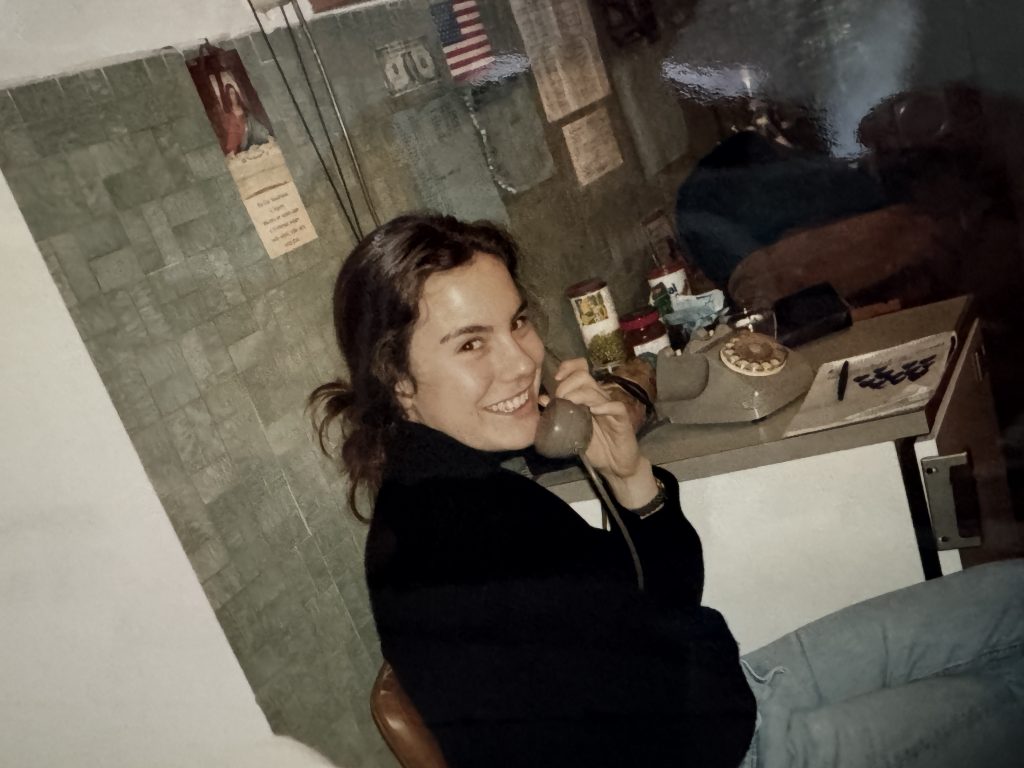
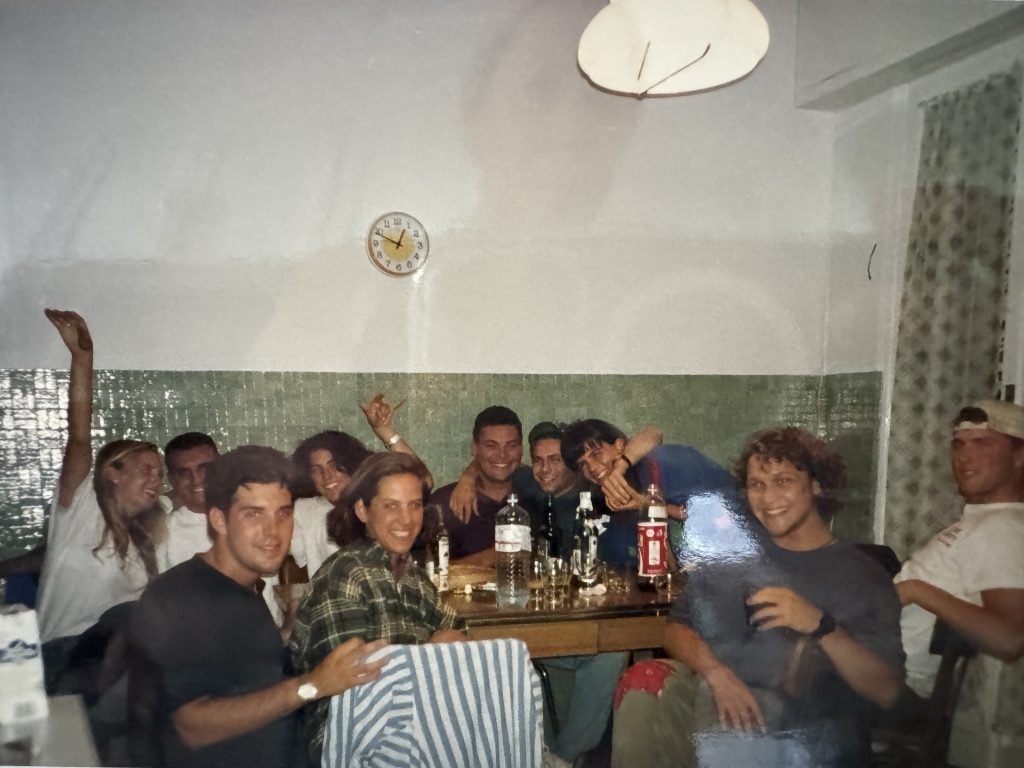
Greg’s roommate KiaThe Florence gang
What was it like returning to Florence and Villa Rossa?
Returning to Florence nearly 30 years later to shoot on location for the feature film I had once only imagined was completely surreal. It brought back a flood of memories—friends, moments, and formative experiences. Villa Rossa itself felt unfamiliar in some ways; so much had changed that I barely recognized it, yet the emotional connection was still very much there.
Photos above and below by Johann Haas, on location with Greg in Florence, Summer 2025
You’ve built an impressive career in the film industry since your time in Florence. Did your study abroad experience impact your life afterward?
Absolutely. Studying abroad in Florence changed my life trajectory forever. It was there that I took my first film class and was introduced to the great Italian cinema masters—Vittorio De Sica, Luchino Visconti, Michelangelo Antonioni, Roberto Rossellini, and of course Federico Fellini. That exposure ignited a passion that continues to guide my work today. Florence didn’t just shape my education—it shaped who I became.
Advice for Current Students?
Say yes more often than you say no—especially to experiences that feel unfamiliar or slightly uncomfortable. The moments that challenge you culturally, creatively, or personally are often the ones that shape you the most.
Get outside the classroom. Talk to locals, wander without a plan, sit in cafés, go to museums alone, and observe how people live, move, and tell stories. Those lived experiences will teach you as much as any lecture.
Finally, don’t worry if you don’t yet know your exact path. Pay attention to what excites you, follow your curiosity, and trust that the dots will connect later—often in ways you can’t yet imagine.
Update: Greg’s new screenplay based in Florenceis a quarter finalist for Table Read CANNES; semi-finalists will be announced on March 27.
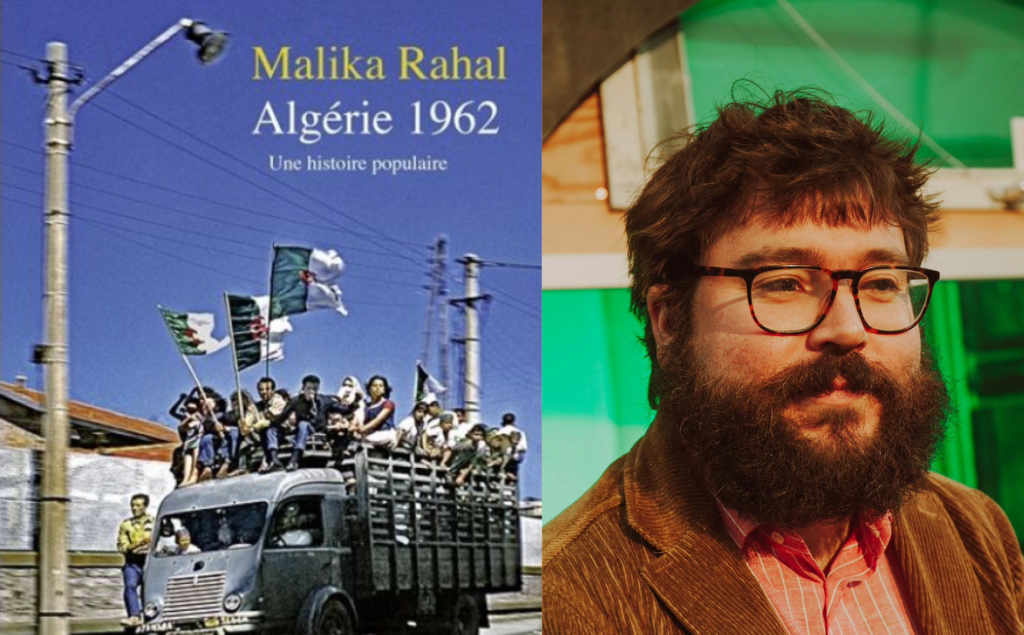
Syracuse Florence is proud to congratulate Professor David Broder, who teaches courses on 20th-Century Europe and Modern Italy at our program, on winning the 2025 Albertine Translation Prize. The prize, awarded annually by Villa Albertine — the French cultural institution in the United States — honors outstanding translators of contemporary French works into English and carries a $5,000 award allocated directly to the translator.
Professor Broder won the prize for his English translation of Malika Rahal’s Algeria 1962: A People’s History, translated from the French Algérie 1962. Une Histoire populaire. The book offers a richly detailed account of the experiences of ordinary Algerians during the turbulent transition from French colonial rule to independence and is forthcoming from Penguin Random House. The award was presented at a ceremony at Villa Albertine’s New York headquarters on February 12, 2026.
David Broder is a Rome-based writer, translator, and historian with a PhD in International History from the London School of Economics, specializing in modern European history. We are delighted to see his work recognized at such a high level, and we look forward to the book’s publication.